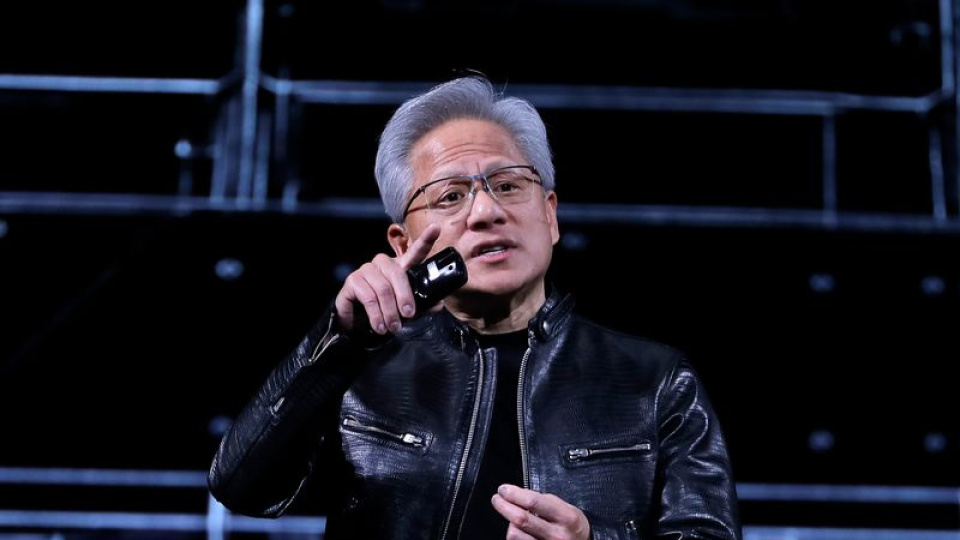

Nvidia chief executive Jensen Huang said employees should receive the highest compensation a company can reasonably offer, commenting on the growing debate over how much workers should benefit from the artificial intelligence boom. While speaking to reporters in Taipei on Tuesday, he emphasized that his own approach is to reward staff as generously as possible.
His remarks came as major technology manufacturers in Asia face rising expectations from employees seeking a larger share of profits generated by surging demand for advanced chips. As artificial intelligence expands across global industries, semiconductor companies in South Korea and Taiwan are under closer scrutiny over pay, bonuses, and profit-sharing practices.
Pressure Builds on Chipmakers Over Bonus Distribution
Samsung Electronics recently avoided a strike by its largest trade union after reaching a compensation agreement that included substantial bonuses for chip engineers. Under the deal, workers in the semiconductor division are expected to receive average bonus payments of about $340,000, with some payouts reportedly reaching as high as $400,000.
At the same time, Taiwan Semiconductor Manufacturing Company, a critical Nvidia partner, has also been responding to employee concerns tied to incentive structures. TSMC chief executive C.C. Wei met with staff last week and indicated that the company’s performance-based reward programs would increase more quickly this year than they did previously.
Huang Rejects Fears of AI-Led Job Losses
Huang also pushed back strongly against claims that artificial intelligence threatens employment. He described that view as misguided, arguing instead that AI is likely to raise income, corporate profitability, and overall economic output.
His position reflects a broader industry narrative that AI will not simply replace workers, but could also create new forms of value that justify stronger compensation. With TSMC’s annual general meeting approaching, questions around how companies distribute AI-driven gains among employees are likely to remain in focus.