
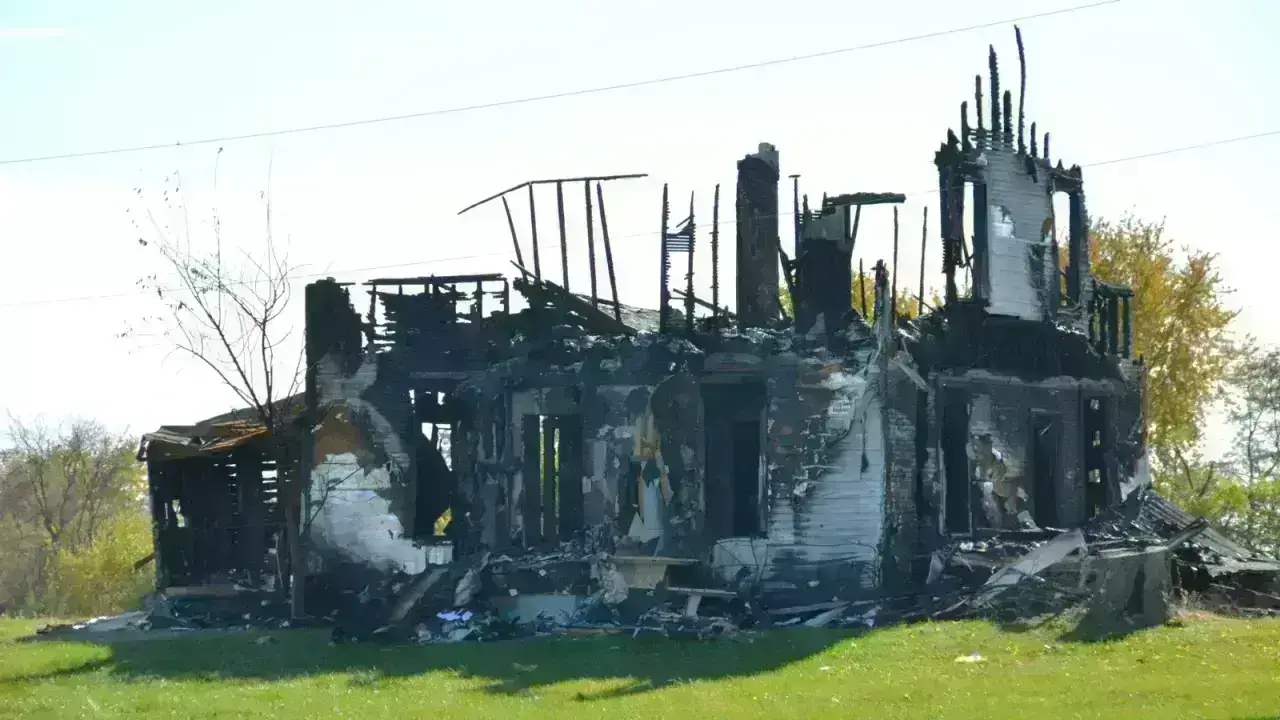
Home insurance buyers often focus on the premium and the headline dwelling limit. The valuation clause can be just as important. Two policies with the same stated limit can produce very different claim payments if one settles a damaged item on replacement cost and the other on actual cash value.
The NAIC explains that ACV considers age and wear and tear, while replacement cost coverage is based on the cost to repair or replace damaged property using materials of like kind and quality.
A simple example
Assume a covered loss destroys a roof that would cost $20,000 to replace today. If the roof is older, an ACV settlement may deduct depreciation and initially pay substantially less than $20,000, subject to the deductible and policy terms. An RCV policy may ultimately reimburse eligible replacement cost, again subject to limits, deductibles and conditions.
Some replacement-cost policies pay ACV first and release additional recoverable depreciation after the insured completes repairs and provides documentation. The exact claim process depends on the contract.
ACV and RCV are not the same as market value
| Concept | What it generally means |
|---|---|
| Actual cash value | Replacement or repair cost minus depreciation, subject to the policy method. |
| Replacement cost value | Cost to repair or replace covered property with like kind and quality, subject to policy terms and limits. |
| Market value | What a buyer might pay for the property in the real-estate market, including location and land value. |
Insurance valuation focuses on the cost of restoring insured property after damage. A home’s sale price can move because of schools, land scarcity or neighbourhood demand even when construction costs move differently.
Where depreciation matters most
Roofs, flooring, appliances, furniture and personal property can lose value with age. ACV can therefore create a larger out-of-pocket gap when older property has to be replaced with new property after a claim.
Some policies also use special settlement rules for roofs or other components. Never assume the entire policy is replacement cost simply because the dwelling coverage is labelled that way.
Questions to ask before choosing a valuation method
- Is the dwelling covered on replacement cost, extended replacement cost or another basis?
- How are the roof and other ageing components valued?
- Is personal property replacement cost included or optional?
- Does the insurer pay ACV first and recoverable depreciation later?
- What documentation and deadlines apply before replacement-cost benefits are released?
- Are there coinsurance or insurance-to-value requirements that can affect settlement?
Why cheaper is not always better
ACV coverage can reduce premium because the insurer expects to pay less for depreciated property. That can be a reasonable trade-off for some buyers, but it should be intentional. The risk is discovering only after a fire, storm or theft that the claim cheque will not be enough to buy new replacements.
How to make the decision
Compare the premium difference with the potential funding gap. A homeowner with older contents and limited emergency savings may value replacement cost more than a homeowner who is financially comfortable retaining depreciation risk.
Most importantly, confirm how the actual policy language works in your state. Terms such as replacement cost, functional replacement cost and roof-surface schedules can have different practical effects.
Frequently asked questions
Does replacement cost mean the insurer will pay any amount needed to rebuild?
No. Policy limits, deductibles, exclusions, insurance-to-value requirements and other terms still apply.
Is ACV always calculated the same way?
No. Policy wording and state law can affect the calculation method.
Can contents and the building use different valuation methods?
Yes. Check each coverage section and endorsement separately.
Sources & further reading
Reviewed against NAIC consumer guidance in September 2026. Claim valuation varies by policy form, insurer and state law.