
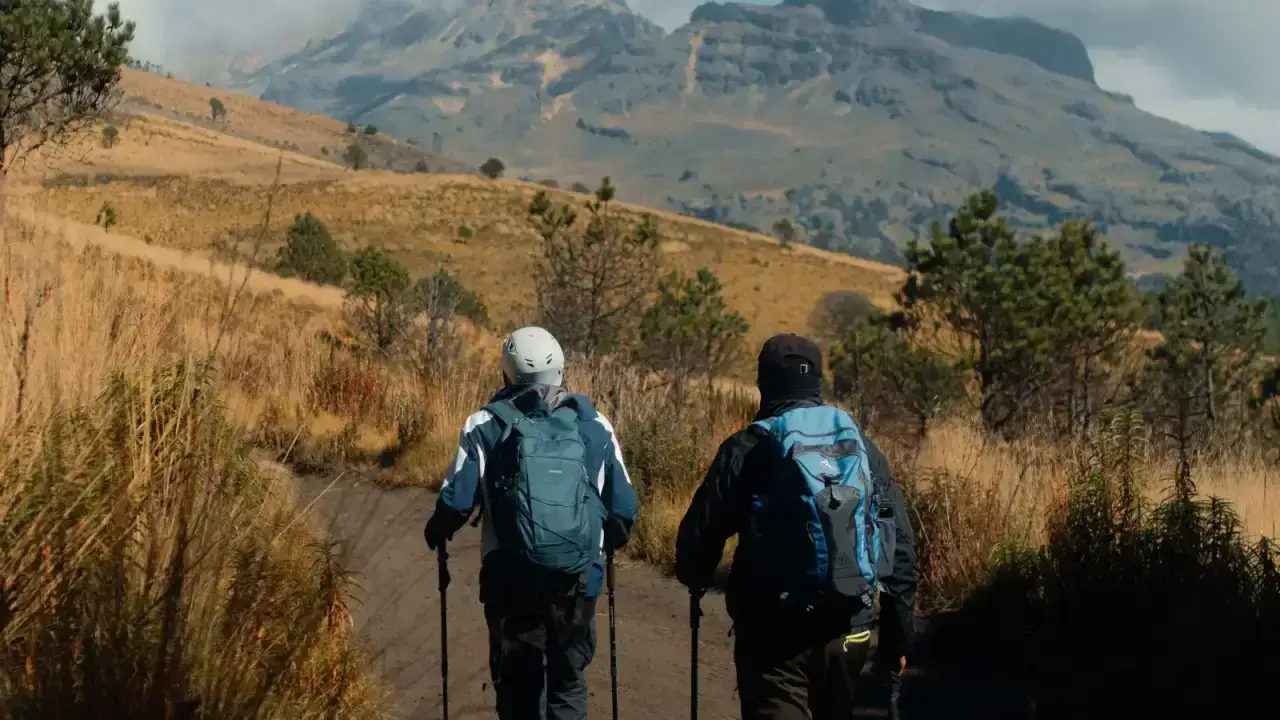
A policy can cover a trip to the mountains without covering what you plan to do there. That distinction matters for travelers who hike at altitude, ski outside marked runs, climb with ropes, ride mountain bikes, dive, raft or participate in organized competitions.
The National Association of Insurance Commissioners advises travelers to read exclusions and notes that some travel policies exclude risky activities such as bungee jumping, backcountry skiing and snowboarding. The lesson is broader than those examples: never infer activity coverage from the destination alone.
Why the exact activity definition matters
“Hiking” can mean a flat national-park trail or a remote trek above a policy’s altitude limit. “Skiing” can mean groomed resort runs or backcountry terrain. “Climbing” can range from an indoor wall to mountaineering that uses ropes, crampons or technical equipment. A travel insurer may classify those activities differently.
Before purchasing, search the certificate or policy for the activity name plus related words such as hazardous activity, adventure sports, professional sport, competition, mountaineering, off-piste, altitude and expedition.
| Trip feature | Coverage question | Why it matters |
|---|---|---|
| High-altitude trekking | Is there an altitude ceiling? | A route above the limit may fall outside coverage |
| Backcountry skiing | Is off-piste skiing excluded or conditionally covered? | Resort and backcountry definitions can differ |
| Technical climbing | Are ropes, guides or technical equipment restricted? | Some forms define mountaineering separately |
| Race or competition | Are timed or organized events excluded? | Recreational participation may be treated differently |
| Remote location | Are search, rescue and evacuation expenses covered? | Medical transport can be much more expensive than ordinary treatment |
Medical coverage and evacuation are not the same benefit
Emergency medical coverage can reimburse eligible treatment after an injury or illness. Medical evacuation coverage addresses transportation when medically necessary under the policy. Search-and-rescue expenses can be another separate issue. Do not assume that a medical limit automatically includes helicopter rescue from a mountain.
Our medical evacuation insurance guide explains the difference between treatment, transport and assistance services.
Does travel insurance cover ski or climbing equipment?
Baggage benefits may cover certain lost, stolen or damaged personal items, but sports equipment can have per-item limits, exclusions or special documentation requirements. Expensive cameras, skis, climbing gear and electronics may exceed a policy’s sublimits. Homeowners or renters insurance may also cover personal property away from home, subject to its deductible and exclusions.
What if weather closes the mountain or resort?
Trip cancellation and interruption benefits typically require a covered reason listed by the policy. A closed lift, poor snow conditions or a personal decision not to participate is not automatically the same as a covered cancellation event. Read our covered reasons for trip cancellation guide before assuming weather alone creates a claim.
Seven questions for adventure travelers
- Is my exact activity covered? Use the policy’s definitions, not the marketing headline.
- Is there an altitude or depth limit? Check the maximum elevation, diving depth or other technical restriction.
- Are competitions excluded? A recreational event can be treated differently if it is timed or organized as a race.
- Is backcountry or off-piste activity covered? Resort boundaries and guide requirements can matter.
- What does evacuation cover? Separate medical evacuation, search-and-rescue and repatriation benefits.
- Are guides or permits required? Some policies condition coverage on licensed guides, legal participation or required safety equipment.
- What is excluded after alcohol or illegal activity? Policy exclusions can apply if an incident involves prohibited conduct.
When to consider adventure-sports-specific coverage
If the base policy excludes your main activity, look for a plan or optional sports upgrade that expressly includes it. Compare the entire contract, not just the activity list. A plan that covers climbing but has a low medical evacuation limit may still be a poor fit for a remote expedition.
Also check whether a pre-existing medical condition could affect eligibility. Our travel insurance pre-existing condition waiver guide explains common timing and eligibility issues.
For expensive expeditions, compare the emergency-assistance process too: who must authorize transport, whether the insurer arranges evacuation or reimburses it, and what happens if the nearest adequate medical facility is across a border. These operational details can matter as much as the headline benefit limit.
Document your trip before departure
Save the itinerary, activity booking, guide credentials, receipts, policy certificate and emergency assistance number offline. In a remote area, you may not have reliable data service. If an emergency occurs, contact the insurer’s assistance provider as soon as reasonably possible and follow required notification procedures unless immediate medical safety requires otherwise.
Frequently asked questions
Does normal travel insurance cover hiking?
It may, but the answer can change with altitude, terrain, technical equipment or expedition status. Check the actual policy definition.
Is backcountry skiing covered?
Some policies exclude it, while adventure-oriented plans may cover it under conditions. NAIC consumer guidance lists backcountry skiing among examples of risky activities that can be excluded.
Does medical evacuation insurance pay for mountain rescue?
Not automatically. Search-and-rescue and medically necessary evacuation can be separate benefits with different triggers and limits.
Will travel insurance pay if I cancel because snow conditions are poor?
Only if the circumstances satisfy a covered reason in the policy. Dissatisfaction with conditions by itself should not be assumed to qualify.
Sources & further reading
Reviewed October 6, 2026. Adventure-sports definitions vary substantially by policy. Match the contract to the exact activity, location, altitude and rescue exposure before travel.