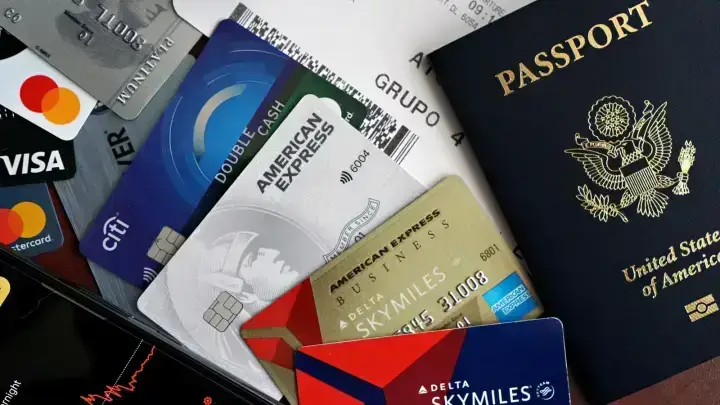
Losing a passport abroad is both a document problem and a travel problem. You may need replacement identification, a changed itinerary, extra lodging or transportation—and you may be vulnerable to identity misuse. The order of actions matters because an insurance claim cannot replace the government process required to obtain a valid travel document.
First steps after discovering the passport is missing
- Confirm it is actually missing. Check your hotel safe, bags and recent locations before formally reporting it lost, because a reported passport is invalidated.
- Report a lost or stolen U.S. passport promptly. Follow U.S. Department of State instructions and contact the nearest U.S. embassy or consulate.
- Protect other accounts. If a wallet or phone was also stolen, contact banks, card issuers and mobile providers as needed.
- Document the event. Keep dates, receipts, consular communications and itinerary changes.
- Contact the travel insurer/assistance line. Ask specifically which benefits or services might apply before making expensive changes where possible.
Do you have to file a police report?
The U.S. Department of State says a police report is not required to replace a lost or stolen U.S. passport abroad, although it may help confirm the circumstances. Local authorities may also be useful when other property was stolen. Your travel policy can have its own proof-of-loss requirements, so read the claim wording rather than assuming one rule covers every purpose.
Emergency passport vs. full-validity replacement
A U.S. embassy or consulate can explain the available replacement process. In urgent circumstances, a limited-validity emergency passport may be issued; the State Department notes that an emergency passport may have limited validity, commonly up to one year. Entry or transit rules at your next destination can matter because some countries require a particular remaining passport validity.
Do not book a complex replacement itinerary based only on an online article. Follow the consular instructions for the country where you are located.
What travel insurance may—and may not—pay
| Expense/service | Potential travel-insurance role | Why you must check the policy |
|---|---|---|
| Help locating embassy/consulate | May be provided through travel-assistance services | Assistance services can be non-insurance services bundled with a plan |
| Passport replacement fee | Some plans may include a document-related benefit | Not universal; exclusions and sublimits vary |
| Extra hotel/transport | May be covered only if a defined delay/interruption benefit is triggered | “Lost passport” may or may not be a covered reason |
| Missed flight / new ticket | Potentially only under specific covered reasons and limits | Voluntary itinerary changes or undocumented losses may not qualify |
| Cash or property stolen with passport | Could involve baggage/personal-effects benefits | Cash, documents and valuables often have special exclusions or low limits |
The NAIC explains that travel insurance products can combine insured benefits—such as cancellation, interruption, delay, baggage or medical coverage—with assistance services. Those assistance services can help travelers with travel documentation, but they are not the same as an unlimited reimbursement promise.
Will trip delay or interruption coverage pay?
Only if the policy’s trigger fits the event. Travel insurance is contract language, not a general inconvenience fund. A plan may list specific covered reasons for travel delay or trip interruption, minimum delay periods, documentation requirements and maximum benefits. Lost travel documents can be treated differently across products.
Compare the trigger with our guide to trip delay vs. trip interruption, then read your certificate or policy rather than assuming one benefit automatically applies.
What about a missed flight?
A new airfare purchase can be one of the largest costs after document loss, but coverage depends on why the flight was missed and what the policy defines as a covered reason. If you can reasonably contact the assistance provider before rebooking, ask what documentation is needed and whether the insurer has specific travel-arrangement instructions.
What records should you keep for a claim?
- Consular appointment or case confirmation
- Lost/stolen passport report confirmation
- Police report if one was made
- Original itinerary and changed itinerary
- Airline, hotel and ground-transport receipts
- Passport replacement fee receipt
- Written explanation from airline or provider if a ticket could not be used
- Insurer claim number and assistance call notes
Our travel insurance claim documentation guide explains how to organize proof and deadlines.
If luggage was stolen too, use the correct benefit
Personal-effects or baggage coverage can have per-item limits, exclusions for cash/documents and special proof requirements. A passport is not necessarily treated like ordinary luggage. If the incident involved a bag theft, see lost and stolen baggage insurance for the broader property-claim framework.
Prepare before your next international trip
- Store a secure digital copy of the passport identification page separately from the physical passport.
- Keep the insurer’s 24/7 assistance number accessible offline.
- Know the location of U.S. embassies/consulates on the itinerary.
- Do not store every card, ID and passport in the same bag.
- Read travel-document, delay and interruption definitions before departure.
Frequently asked questions
Can I return to the U.S. without replacing a lost passport?
The U.S. Department of State says you need a new passport before returning to the United States. Contact the nearest U.S. embassy or consulate for the appropriate replacement process.
Will travel insurance pay the full cost of a new flight?
Not automatically. A new ticket is covered only if the policy’s relevant benefit, covered reason, limits and claim conditions apply.
Is travel assistance the same as insurance coverage?
No. Assistance can help arrange or locate services, while insurance coverage determines whether defined financial losses are reimbursable. Plans can bundle both.
Sources & further reading
Reviewed October 6, 2026. Passport procedures and entry/transit requirements can change. Follow current U.S. Department of State and destination-country instructions.