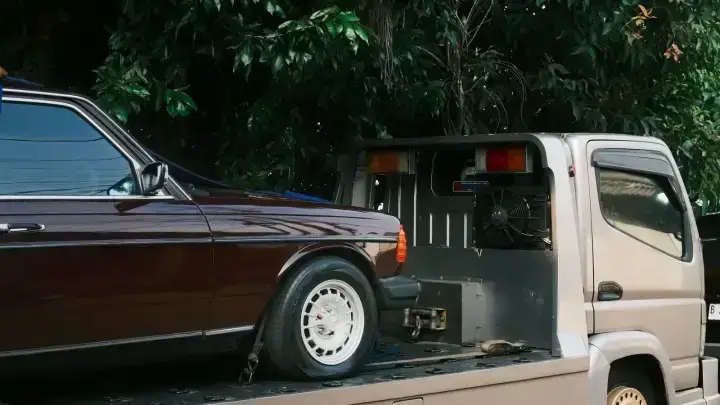

After a crash, the repair bill is only part of the disruption. If a vehicle is in the body shop for days or weeks, many households still need transportation to work, school and medical appointments. Rental reimbursement—also called transportation expense or extended transportation coverage—addresses that temporary mobility problem.
The National Association of Insurance Commissioners lists rental reimbursement among common optional auto coverages. Washington’s Office of the Insurance Commissioner likewise describes it as coverage that helps provide a vehicle after an accident while the insured vehicle is in the shop. The details, however, are contract-specific.
What rental reimbursement actually pays
The coverage generally pays up to a stated daily amount and a stated maximum. A declarations page might show a structure such as “$40 per day / $1,200 maximum,” but limits vary widely. Some insurers reimburse receipts; others can arrange direct billing with a rental company; some policies may also permit taxis, rideshare or other transportation.
| Question | Typical answer | What to verify |
|---|---|---|
| When does it apply? | After damage covered by your own policy | Whether collision, comprehensive, theft and other losses qualify |
| How much does it pay? | Daily limit plus overall maximum | Exact numbers on the declarations page |
| How long can you rent? | Until repairs are completed, limits are exhausted, or a total-loss settlement period ends | Policy wording and insurer claim handling rules |
| Does it insure the rental car itself? | No | Separate liability/physical-damage rules for the rental vehicle |
Covered loss is the key phrase
Rental reimbursement is generally tied to an insured loss. If your car is in the shop for routine maintenance, mechanical breakdown, a voluntary upgrade or wear-and-tear repairs, the rental cost normally is not covered by this endorsement. If a collision or comprehensive claim is covered, rental reimbursement may activate under the policy’s terms.
Texas Department of Insurance guidance explains that rental reimbursement can pay when a car is stolen or being repaired because of an accident the policy covers. Washington’s regulator warns that repair delays can cause a policyholder to exhaust the rental limit before the vehicle is ready.
Why the daily limit matters more than many drivers expect
Suppose a policy pays up to $40 per day with a $1,200 maximum. A rental costing $55 per day leaves $15 per day to the policyholder. If the car remains in the shop long enough, the total cap can also be reached. Taxes, fees, fuel, upgrades, young-driver charges and optional rental-company products may be outside the insured amount.
That means the useful comparison is not simply “do I have rental coverage?” but “would my daily limit buy a realistic replacement vehicle in my area?”
Repair delays can create a coverage gap
Parts shortages, shop backlogs, supplemental damage discovered after teardown and specialty calibrations can lengthen repair time. Washington’s insurance regulator specifically cautions that delays may exhaust the policy’s rental limit. If you rely on a vehicle every day, compare the total transportation limit with a plausible multi-week repair.
What happens after a total loss?
Rental reimbursement usually does not continue indefinitely after an insurer decides the car is a total loss. Coverage may end after a defined period, after a settlement offer, or when the policy’s maximum is reached. The exact endpoint is state- and policy-specific. Ask the adjuster for the last covered rental date in writing so you are not surprised by extra charges.
Your policy vs. the at-fault driver’s insurer
If another driver causes the crash, that driver’s liability insurer may pay reasonable loss-of-use or rental expenses as part of the property-damage claim. NAIC consumer guidance notes that the other driver’s insurer should pay reasonable rental cost for the repair period in a liability claim, subject to applicable law and claim circumstances.
Using your own rental reimbursement can sometimes get transportation arranged sooner while liability is being investigated. Your insurer may later pursue reimbursement through subrogation. Ask whether using your own coverage will affect any deductible or recovery process.
Do not confuse rental reimbursement with rental-car insurance
This is one of the most important distinctions. Rental reimbursement pays for transportation when your own insured vehicle is unavailable after a covered loss. It does not automatically pay if you damage a rental vehicle on vacation.
New York’s Department of Financial Services expressly distinguishes “Rental Reimbursement” or “Transportation Reimbursement” from coverage for damage to a rental vehicle. When renting a car, separately review your own liability and physical-damage coverage, the rental agreement, credit-card benefits and any collision damage waiver.
Before a claim: choose a useful limit
- Price a basic rental vehicle in your city, including taxes and fees.
- Check how much the policy pays per day and in total.
- Consider whether you need a larger vehicle for children, equipment or accessibility.
- Ask whether rideshare or taxi costs can substitute for a rental.
- Confirm whether theft is treated differently from collision repairs.
- Compare the premium cost of higher limits with the financial impact of several weeks without a vehicle.
During a claim: avoid unnecessary out-of-pocket charges
- Ask the adjuster to confirm that the loss qualifies for rental reimbursement.
- Get the daily and total limits in writing.
- Use the insurer’s preferred rental arrangement if it offers a lower negotiated rate and works for you.
- Decline upgrades you do not need unless you understand the extra cost.
- Track the accumulated rental expense during long repairs.
- Ask the shop and adjuster for updated completion estimates.
- If the vehicle is totaled, confirm the exact rental termination date.
Frequently asked questions
Will rental reimbursement pay while my car is getting routine maintenance?
Generally no. The coverage is normally triggered by a covered insurance loss, not maintenance or mechanical servicing.
Does “full coverage” automatically include rental reimbursement?
No. “Full coverage” is informal language, not a standardized package. Rental reimbursement is often optional and should appear separately on the declarations page.
Can I use rideshare instead of renting a car?
Some policies or claim programs allow alternative transportation expenses, but not all do. Confirm before assuming the expense will be reimbursed.
What if repair delays use up my limit?
Once the contractual limit is exhausted, additional transportation costs can become your responsibility unless another party or coverage applies.
Sources and further reading
Reviewed October 5, 2026. Rental reimbursement limits, eligible expenses and duration vary by policy and state.