A dead battery at night and a crash-damaged vehicle can both lead to a tow truck, but the insurance path is not necessarily the same. Consumers often see “roadside assistance,” “emergency road service” and “towing and labor” used as if they are identical. In practice, the policy form decides what is covered, how help is arranged and how much the insurer will pay.
The Texas Department of Insurance describes towing-and-labor coverage as optional protection that can pay to tow a car that cannot be driven and for labor such as changing a flat tire or jump-starting a battery. The Texas Office of Public Insurance Counsel also notes that roadside assistance may have mileage, dollar, service-count, prior-approval and reimbursement limits. Those examples are useful nationally as questions to ask, but your own state, insurer and contract control.
What roadside assistance commonly helps with
Roadside benefits are designed for a disabled vehicle rather than for ordinary maintenance. Depending on the plan, covered services may include:
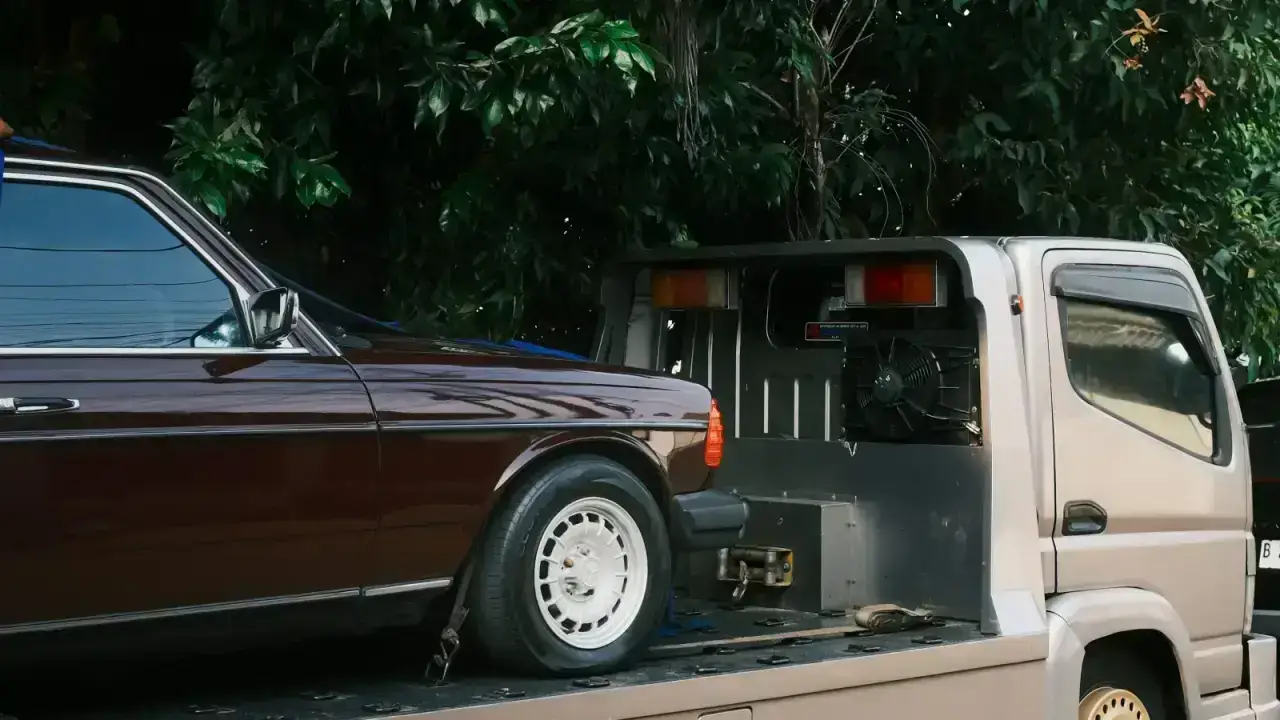
- Towing when the vehicle cannot be made drivable at the scene.
- Battery jump-start service.
- Labor to install the vehicle’s usable spare tire.
- Lockout assistance, subject to labor or locksmith limits.
- Delivery of fuel, oil or another fluid, often with the consumer still paying for the actual fuel or fluid.
- Limited winching or extrication when the vehicle is close enough to a public roadway.
Do not assume every item above is included. Some policies provide only towing and basic roadside labor. Others use a dispatch network and send a provider directly, while some require the customer to pay first and submit a receipt.
Roadside assistance is not the same as collision, comprehensive or rental reimbursement
| Coverage or benefit | Main purpose | Typical consumer question |
|---|---|---|
| Roadside / towing & labor | Help when the vehicle is disabled | Will the plan tow me, jump the battery or handle a lockout? |
| Collision | Physical damage to your car from a covered collision | Who pays to repair my vehicle after a crash? |
| Comprehensive | Covered non-collision physical damage | What happens after theft, hail, fire or another covered event? |
| Rental reimbursement | Temporary transportation after a covered loss, subject to terms | Will the policy help with a rental car while mine is being repaired? |
| Motor club | Membership-based roadside services | What services and towing distance are included in the membership? |
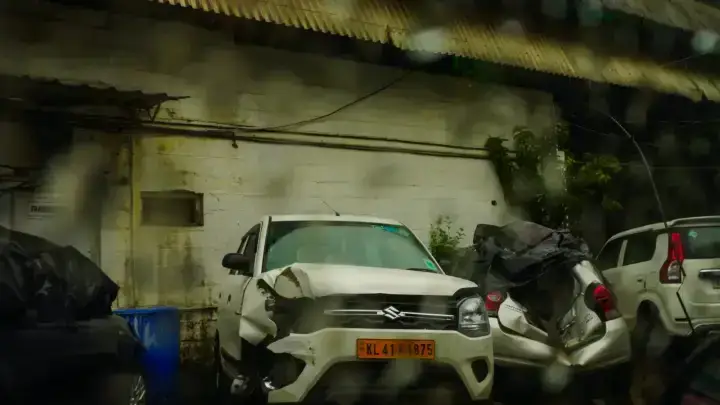
If a crash causes the tow, ask the insurer whether the towing expense is handled as part of the physical-damage claim or under the optional roadside benefit. The answer can depend on the cause of loss and the policy. For the broader structure of auto protection, see our guide to liability, collision and comprehensive coverage.
Insurance roadside coverage vs. a motor club
The biggest difference is the relationship. Insurance roadside coverage is attached to an auto policy or endorsement. A motor club is a separate membership or service contract that may follow the member rather than a specific insured vehicle, depending on its rules.
Neither model is automatically better. Someone who already receives roadside benefits through a new-car warranty, manufacturer program, credit card or motor club may decide that duplicating benefits on the auto policy has little value. Another driver may prefer the convenience of having roadside service integrated with the insurer. Compare the actual service terms rather than the product label.
Seven details to check before you buy
- Towing distance or dollar limit: Does the plan pay to the nearest qualified repair facility, a fixed number of miles or a fixed dollar amount?
- Dispatch vs. reimbursement: Must you call an approved number first, or can you choose a provider and send the receipt later?
- Number of service calls: Is there a per-policy-period cap or a rule for repeated calls?
- Lockout terms: Does the benefit pay only labor, or also a locksmith or replacement key?
- Fuel and fluids: Is delivery covered while the actual fuel or fluid remains your expense?
- Winching restrictions: How close must the vehicle be to a public road?
- Vehicle eligibility: Are older, high-mileage, commercial-use or specialty vehicles treated differently?
Could a roadside call affect your insurance record?
Do not assume that every roadside event is treated the same as an accident claim—or that it is ignored. Insurers have different systems for recording and underwriting roadside usage, and state rules differ. Before adding the coverage, ask how service calls are classified and whether frequent use can affect eligibility, renewal or pricing. That question is especially important if you expect to use roadside service often.
What to do if your car breaks down
- Move to a safe location if you can do so safely and use hazard lights.
- Check the roadside-assistance number in the insurer’s app, ID card or policy documents before ordering a tow on your own.
- Ask the dispatcher what service is authorized and whether any amount will be your responsibility.
- Keep receipts, photos and the tow destination if you pay out of pocket.
- If the breakdown follows a collision, tell the insurer that context so the towing expense is routed correctly.
Roadside coverage also should not be confused with rental reimbursement coverage. One helps get a disabled car moved or restarted; the other can help with temporary transportation when the policy’s conditions are met. If you are reviewing deductibles at the same time, our $500 vs. $1,000 auto deductible guide explains the trade-off between premium and out-of-pocket risk.
Frequently asked questions
Does roadside assistance pay for a new tire?
Usually the roadside benefit focuses on labor to install an available spare, not on buying a new tire. Check the policy for the exact service and parts exclusions.
Will roadside assistance tow my car to any shop I choose?
Not necessarily. Plans may limit towing by distance, dollar amount or nearest qualified facility. A longer tow can leave you responsible for the excess.
Is a motor club the same as insurance?
No. A motor-club membership is generally a separate service arrangement. It can overlap with insurer roadside benefits, which is why comparing existing benefits is useful before paying twice.
Does roadside assistance cover a rental car?
Not by itself. Rental reimbursement is a separate auto coverage, and rental-car roadside benefits can be governed by the rental contract or another benefit.
Sources & further reading
Reviewed October 6, 2026. Coverage terms, claims treatment and motor-club rules vary by insurer, provider and state. Read the policy or service contract that applies to you.