A stain on the ceiling does not tell you whether the insurance claim will be covered. The key question is why the water got in. A sudden storm-created opening can be treated very differently from a slow leak caused by deteriorated shingles or flashing that needed maintenance.
When can a roof leak be covered?
| Situation | Typical insurance question | What to check |
|---|---|---|
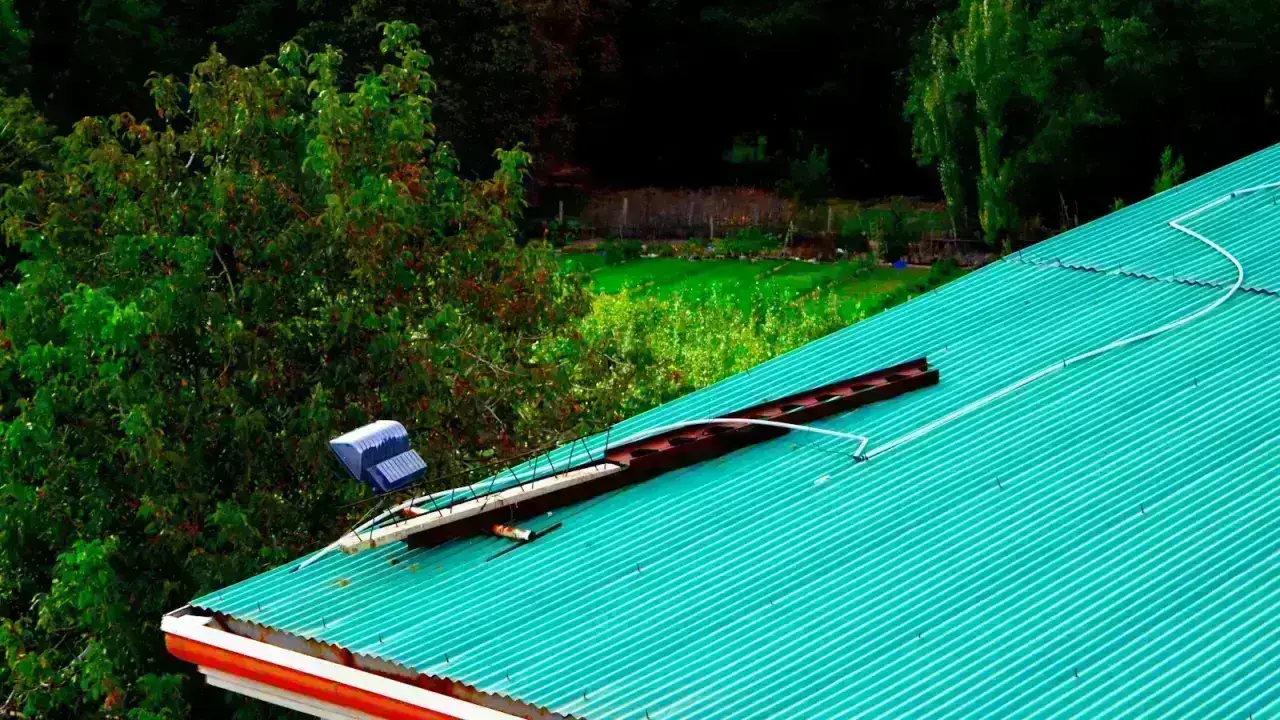
| Wind lifts or tears shingles | Was wind a covered peril? | Wind/hail exclusions, deductible, roof settlement method |
| Hail damages roof covering | Is the hail damage sudden and direct? | Hail deductible, cosmetic-damage provisions, roof age |
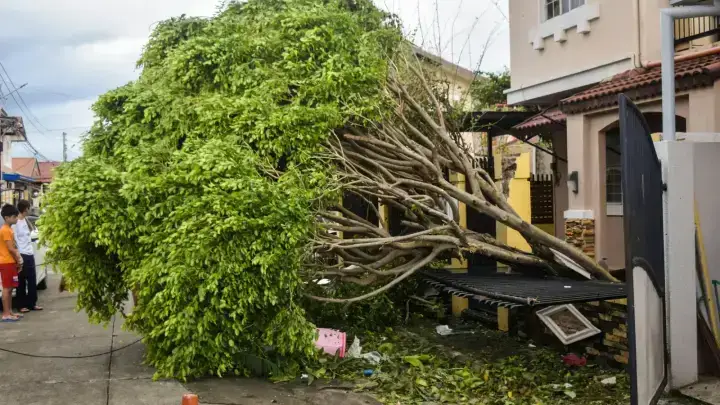
| Tree falls during a storm | Did a covered event damage the structure? | Dwelling limit, debris removal, deductible |
| Old roof slowly leaks | Is the problem wear, deterioration or maintenance? | Exclusions and maintenance responsibilities |
| Water damages ceiling after covered roof loss | Is resulting interior damage covered? | Cause of loss and resulting-damage language |
The NAIC’s consumer homeowners guidance explains that home insurance is not a maintenance contract. That distinction matters because a policy can cover sudden accidental damage while excluding deterioration that develops over time.
Replacement cost vs. actual cash value can change the check
Even when a roof claim is covered, the amount paid can vary. Some policies settle eligible roof damage at replacement cost value (RCV), while others may use actual cash value (ACV), which can reflect depreciation. Roof age and policy endorsements can affect the settlement method.
Do not assume the declarations page tells the whole story. Read any roof-payment schedule, wind/hail endorsement, cosmetic-damage limitation and special deductible.
What to do as soon as you notice a roof leak
- Protect people first. Stay away from sagging ceilings, exposed wiring or unstable areas.
- Prevent additional damage if safe. Use a temporary tarp or arrange emergency mitigation when appropriate, but do not put yourself at risk.
- Photograph and video the damage. Capture the roof area from a safe location, water entry, ceiling stains, damaged belongings and the surrounding weather damage.
- Save receipts. Keep invoices for emergency tarping, water extraction and other reasonable mitigation expenses.
- Contact your insurer promptly. Ask what documentation is needed and whether the company wants to inspect before permanent repairs.
- Keep damaged materials when practical. Do not discard evidence before the insurer has had a reasonable opportunity to inspect, unless safety or health requires removal.
Questions to ask before filing
- What caused the leak?
- Is wind or hail covered at my location?
- Do I have a separate wind/hail or named-storm deductible?
- Is my roof paid at RCV, ACV or under a roof schedule?
- Is there a roof-age limitation?
- Does the estimate exceed my deductible?
- Does the insurer need to approve repairs before work begins?
What if the roofer says you need a full replacement?
A contractor’s recommendation and an insurer’s coverage decision are separate issues. A roofer may recommend replacement for construction reasons, while the insurer decides what damage is covered under the contract. Ask for itemized estimates, photographs and a written explanation of the insurer’s scope.
If you disagree with the amount, compare the adjuster’s estimate with the contractor’s line items. Look for differences in quantities, materials, labor, code upgrades and whether damaged components can reasonably be repaired.
What if the claim is denied?
Ask for the denial in writing and request the specific policy language used. Then compare the stated cause of loss with your photos, inspection reports and repair records. If you still believe the decision conflicts with the policy, use the insurer’s dispute process and, when appropriate, contact your state department of insurance.
Frequently asked questions
Does homeowners insurance cover an old roof?
Age alone does not answer the question. Coverage depends on the cause of damage and policy terms, but age can affect eligibility, depreciation and the settlement method.
Will insurance pay for a leak caused by poor maintenance?
Policies generally are not intended to pay for routine maintenance or ordinary deterioration. A separate covered event may still create a different coverage analysis.
Should I repair the roof before the adjuster arrives?
Take reasonable steps to prevent further damage, but document conditions before permanent repairs when it is safe to do so and follow the insurer’s instructions.
Is every hail claim paid at replacement cost?
No. Deductibles, roof schedules, ACV provisions and endorsements vary by policy.
Sources and review notes
- National Association of Insurance Commissioners (NAIC), A Consumer’s Guide to Home Insurance.
- NAIC, What You Need to Know When Filing a Homeowners Claim.
- NAIC, guidance on replacement cost versus actual cash value for storm-damaged roofs.
Reviewed October 3, 2026. Insurance contracts, deductibles and state rules vary. Use your own policy and current state guidance for a coverage decision.