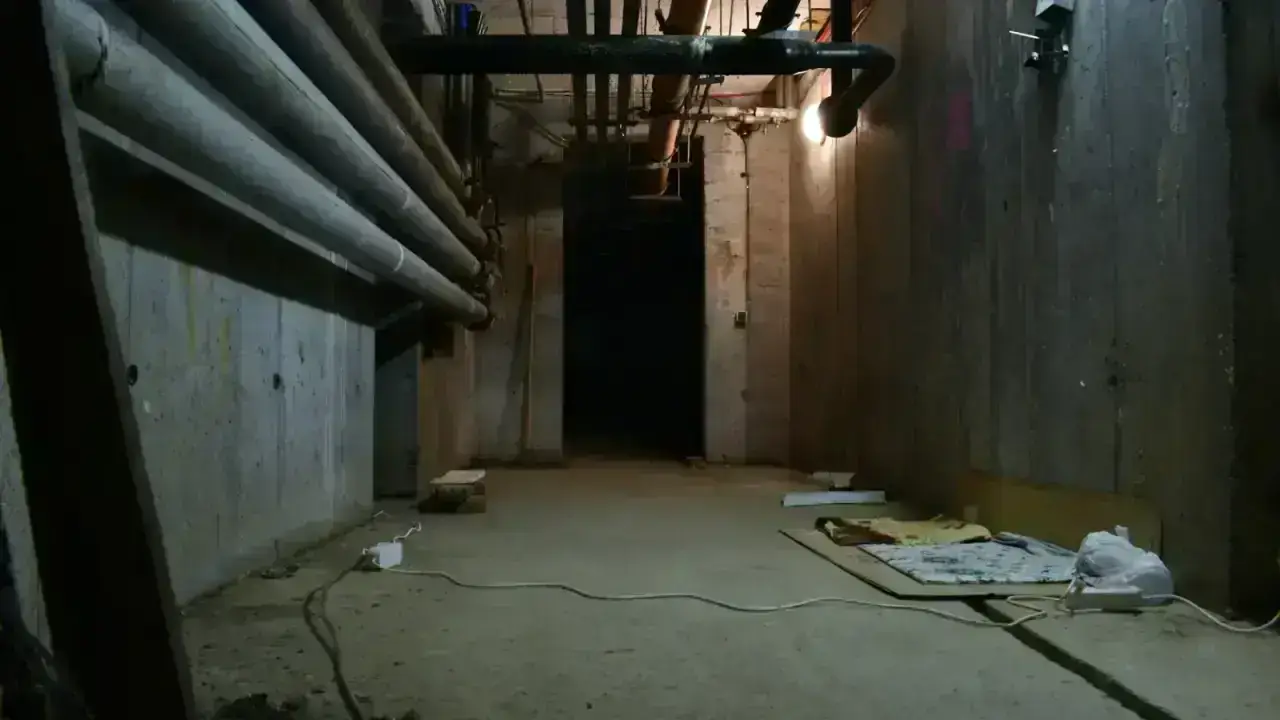
Water in a basement can look like one problem, yet the insurance answer depends on where the water came from and how it entered the home. A backed-up sewer line, a failed sump pump, a burst supply pipe and rising floodwater can produce similar damage while triggering very different policy provisions. That is why a claim should start with identifying the source rather than simply describing the loss as “flooding.”
Washington’s Office of the Insurance Commissioner lists sewer backup and sump pump overflow among optional homeowners coverages. That distinction is important: an endorsement can add protection that the unendorsed policy may not provide. If water entered from an overflowing river, heavy surface runoff or another flood mechanism, review separate NFIP vs. private flood insurance instead of assuming a water-backup endorsement is a substitute.
Water backup, flood and plumbing leaks are different claim categories
| Water event | Typical coverage path | Key question |
|---|---|---|
| Sewer or drain backs up into the home | Often an optional water-backup endorsement | Does the endorsement include backup through sewers or drains? |
| Sump pump overflows or fails | Often included in, or paired with, water-backup coverage | Does the wording cover overflow/discharge from a sump system? |
| Pipe suddenly bursts inside the house | May be covered under the base homeowners policy, subject to exclusions | Was the event sudden and accidental? |
| Slow leak develops over weeks or months | Frequently disputed or excluded as repeated seepage/maintenance | When did damage begin and what did the homeowner know? |
| Surface water rises and enters from outside | Usually a flood-insurance issue | Does the event meet the applicable flood definition? |
What a water-backup endorsement can cover
Exact language varies, but a water-backup endorsement may pay for direct physical damage to covered property when water or waterborne material backs up through a sewer or drain or overflows/discharges from a sump, sump pump or related equipment. Some forms also address systems designed to remove subsurface water. The endorsement does not create unlimited water coverage; it normally sits inside the homeowners contract and remains subject to stated conditions, limits and exclusions.
The limit can be much lower than the dwelling limit. A homeowner might have hundreds of thousands of dollars of dwelling coverage but only a selected water-backup limit. Finished basements can contain flooring, drywall, appliances, furniture and mechanical systems, so a small endorsement limit can be exhausted quickly. Ask whether the limit applies per occurrence, whether personal property is included, and how the deductible is calculated.
Why sump pump failure is not the same as flood
A sump pump is intended to collect and move water away from a foundation. If it loses power, breaks or cannot keep up, water may overflow into the basement. That does not automatically make the event a “flood” for insurance purposes. Conversely, a sump system overwhelmed by widespread surface flooding does not necessarily transform flood damage into a homeowners water-backup claim. Cause matters.
If the problem is the buried pipe between the house and the street, there can also be a separate issue involving damaged service lines. Read our guide to service line coverage for water, sewer and power connections because the cost to excavate and repair the pipe itself may be different from damage caused by water entering the home.
Damage caused by a covered water event versus the failed item
Insurance can distinguish between resulting damage and the defective component. For example, a policy may respond to covered interior damage while not paying to replace a worn-out pump that failed because of age or mechanical breakdown. The same concept can arise with deteriorated plumbing. Read the declarations, endorsement and exclusions together instead of assuming that coverage for resulting water damage also pays for the maintenance item that caused it.
Mold can become a second coverage question
After a water loss, drying and mitigation matter. Mold coverage varies significantly, and some policies impose exclusions or sublimits unless fungi result from a covered peril. Our homeowners mold-coverage guide explains why the cause of moisture, timing and mitigation records can affect the analysis. Do not delay emergency measures merely to wait for an adjuster if the property can be protected safely; document the condition before and during mitigation.
How to review your policy before a loss
- Find the endorsement. Search the declarations and forms list for water backup, sewer/drain backup or sump overflow language.
- Record the limit. Do not assume it equals Coverage A or personal-property limits.
- Check the deductible. It may be different from the base homeowners deductible.
- Read exclusions. Pay attention to flood, groundwater, repeated seepage, maintenance and wear-and-tear provisions.
- Inventory the basement. Photograph finished areas, appliances and stored property before a loss.
- Maintain prevention systems. Test the pump, consider a battery backup, maintain backflow devices where appropriate and keep service records.
What to document after water enters the home
Photograph the water line, affected rooms, floor drains, sump pit, plumbing fixtures and exterior conditions. Record whether neighbors experienced sewer backup or surface flooding. Keep plumber, restoration and pump-service reports because they can help identify the origin. If you must discard saturated materials for health or safety reasons, photograph them first and retain samples when practical.
When reporting the claim, describe observable facts rather than guessing at the cause. “Water came through the basement floor drain after the sewer backed up” is more useful than simply saying “my basement flooded.” If the cause remains uncertain, ask the insurer what investigation is needed and request its coverage position in writing.
How much water-backup coverage should you consider?
There is no universal amount. Estimate the realistic cost to remove water, dry the building, replace finished basement materials and replace vulnerable personal property or equipment. A lightly used unfinished basement has a different exposure from a finished lower level with bedrooms, electronics and a furnace. Compare available endorsement limits and premiums rather than selecting a limit solely because it is the cheapest option.
Frequently asked questions
Is sewer backup covered by standard homeowners insurance?
Not necessarily. State regulators commonly describe sewer backup as an optional endorsement. Check the policy and declarations.
Does a sump pump endorsement cover the pump itself?
Coverage for resulting water damage does not automatically mean the worn or failed pump is covered. Read the endorsement and property exclusions.
Is water backup the same as flood insurance?
No. Surface flooding and backup through a sewer/drain are generally distinct insurance concepts. One product should not be assumed to replace the other.
What if the insurer says the water came from flood rather than backup?
Ask for the factual basis and policy language. Plumber reports, restoration observations, weather conditions and the path of entry can be important.
Sources and further reading
Reviewed October 5, 2026. Insurance forms and state requirements vary. Confirm your own policy wording, endorsements and limits with the insurer or a licensed professional.