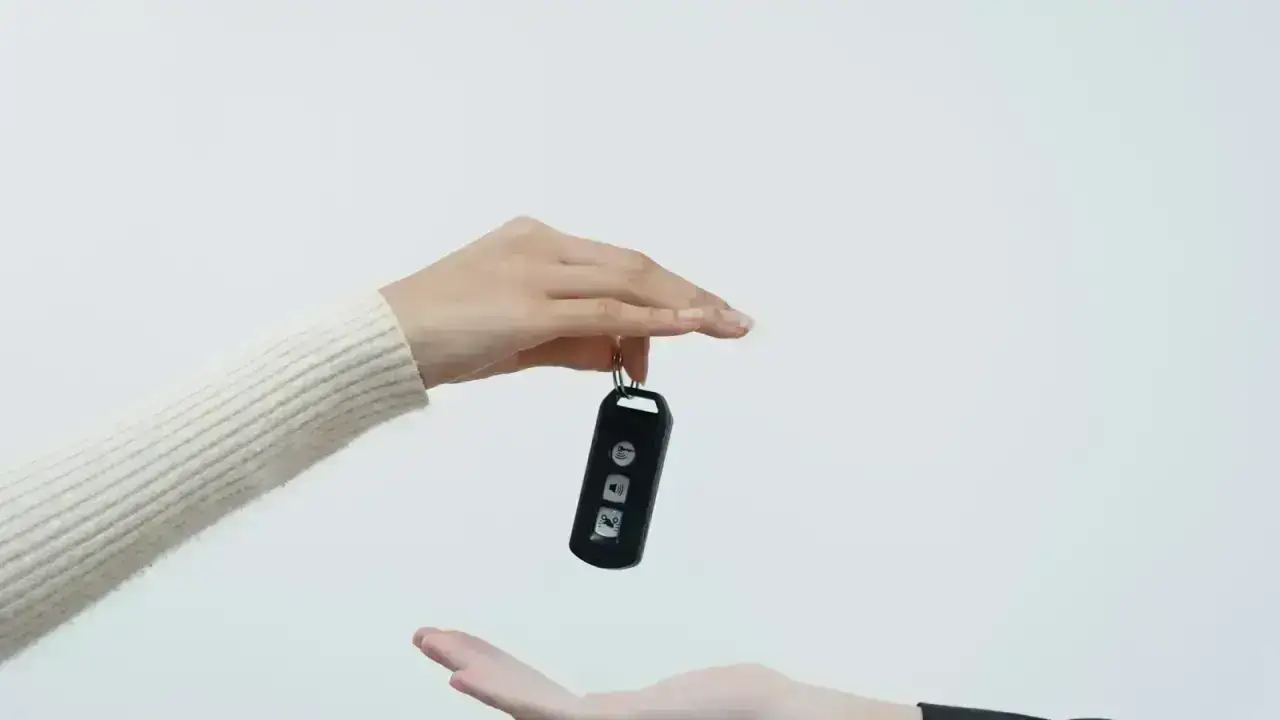
Lending a car feels simple: you hand a friend the keys and expect your auto policy to respond if something happens. In many ordinary situations that expectation is reasonable, but a claim can become complicated because several separate questions have to be answered: Was the driver permitted? Is that person insured or excluded under your policy? Was the use personal? Which policy is primary? Does physical-damage coverage exist on the car? Are there state-specific rules?
The NAIC’s consumer auto guidance says that some policies specifically state no other person is covered, while almost all liability policies cover a licensed driver who drives the insured car with permission. That is a useful general rule, not a guarantee for every contract.
What “permissive use” means
Permissive use generally refers to an occasional driver who has the vehicle owner’s permission to use the car. A classic example is lending your car to a licensed friend for an errand. It is different from a spouse, child, roommate or employee who drives the vehicle routinely and should have been disclosed to the insurer.
| Driver situation | Why it matters |
|---|---|
| Licensed friend borrowing the car once | Often fits ordinary permissive-use treatment |
| Household member who drives regularly | May need to be rated/listed on the policy |
| Specifically excluded driver | Coverage can be eliminated or severely restricted |
| Unlicensed or suspended driver | Can create serious coverage and legal problems |
| Delivery, rideshare or other business use | Personal auto exclusions or special endorsements may apply |
Liability coverage and damage to your own car are different
If the permissive driver causes an accident, liability coverage addresses covered bodily injury or property damage the driver is legally responsible for, subject to policy terms and limits. Damage to the car being borrowed is a different question. Your vehicle generally needs applicable physical-damage coverage—such as collision for an at-fault crash—to pay for covered damage to the insured car.
A liability-only auto policy does not become full coverage just because someone else was driving. Before lending a vehicle, know whether collision and comprehensive are actually on the declarations page.
Which policy pays first?
People often say the owner’s insurance is primary and the borrower’s insurance is excess. That can be true in many situations, but priority depends on contract language and state law. The driver’s own auto policy may provide secondary protection, or it may respond differently to a non-owned car. Do not make coverage decisions from a one-sentence rule found online.
If the borrower does not own a vehicle, a non-owner car insurance policy can provide liability protection in situations involving cars the insured does not own, but it is not a substitute for the owner’s physical-damage coverage.
Why regular drivers are different from occasional borrowers
Insurance pricing depends on who actually drives the vehicle. If a teenage child, partner or roommate uses the car every week, the insurer may require that person to be disclosed and rated. Failing to identify a regular household driver can cause underwriting problems and can complicate a claim.
If someone in the household is intentionally excluded, do not let that person drive based on the assumption that “permission” overrides the exclusion. A named-driver exclusion is specifically designed to change coverage for that person.
Permission can be express or disputed
Clear permission is easiest: “You can borrow my car tonight.” Claims become harder when the driver takes the car without permission, exceeds the scope of permission or allows a second person to drive. Facts matter. If a loss occurs, expect the adjuster to ask who had the keys, why the car was being used, where the driver was going and whether similar use had been allowed before.
Commercial and rideshare use can change the analysis
A personal auto policy is designed primarily for personal driving. Delivering food, transporting passengers for compensation or using the vehicle in a business can trigger exclusions or special coverage requirements. If the person borrowing your car plans to use it for gig work, do not assume ordinary permissive-use protection applies.
For short-term rentals, the insurance structure is different again. See our guide to rental car insurance, CDW, liability and credit-card benefits.
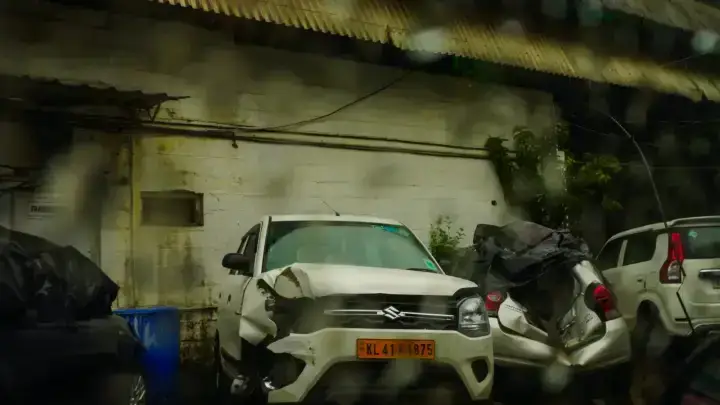
What if the borrower crashes your car?
- Prioritize safety. Call emergency services when needed and move to a safe location if possible.
- Exchange information. Obtain driver, vehicle and insurance information from everyone involved.
- Document the scene. Photos, witness details and a clear timeline can matter.
- Notify the owner’s insurer promptly. Explain who was driving and that permission was given.
- Provide the borrower’s insurance information. The carriers can evaluate priority and any excess coverage.
- Do not speculate. Give accurate facts rather than guessing about fault or coverage.
Our post-accident claim checklist covers the evidence and reporting steps in more detail.
When should you call the insurer before lending the car?
Call first when the driver lives with you, will use the car regularly, is newly licensed, has a problematic driving history, is not licensed in the United States, will drive for work, or may be specifically excluded. A five-minute underwriting question can prevent a much bigger coverage dispute later.
Could letting someone drive affect your premium or renewal?
A claim under your policy can affect future underwriting even when you were not behind the wheel. The exact effect depends on the insurer, state rules, fault and claim history. Repeated lending to a high-risk driver can also cause the insurer to require that person to be added, excluded where allowed, or otherwise addressed at renewal. If the insurer changes or ends coverage, our guide to cancellation vs. nonrenewal explains the difference.
Frequently asked questions
Does car insurance follow the car or the driver?
There is no universal one-line answer. The vehicle owner’s policy often plays a primary role, but the driver’s policy, the type of coverage and state law can also matter.
Can my friend drive my car if they are not listed on my policy?
Many policies allow occasional permissive drivers, but some restrict coverage. Household or regular drivers usually deserve a separate conversation with the insurer.
What if the driver is excluded?
An excluded driver can have little or no coverage under the policy, depending on the exclusion and state law. Permission does not necessarily override an exclusion.
Will liability insurance pay to repair my own car?
Generally no. Damage to your own vehicle normally requires applicable physical-damage coverage such as collision, subject to the deductible and policy terms.
Sources and further reading
Reviewed October 5, 2026. Permissive-use coverage varies by insurer, policy form and state. Confirm household and regular drivers with the carrier before a loss.