Homeowners often know the amount of insurance on the house itself but overlook the separate line for structures that are not attached to the dwelling. That omission can matter after a windstorm, fire, falling tree or other covered event. A detached garage may contain thousands of dollars of tools; a long privacy fence can be expensive to replace; and a backyard structure may have been converted into an office, workshop or rental space without anyone checking the insurance consequences.
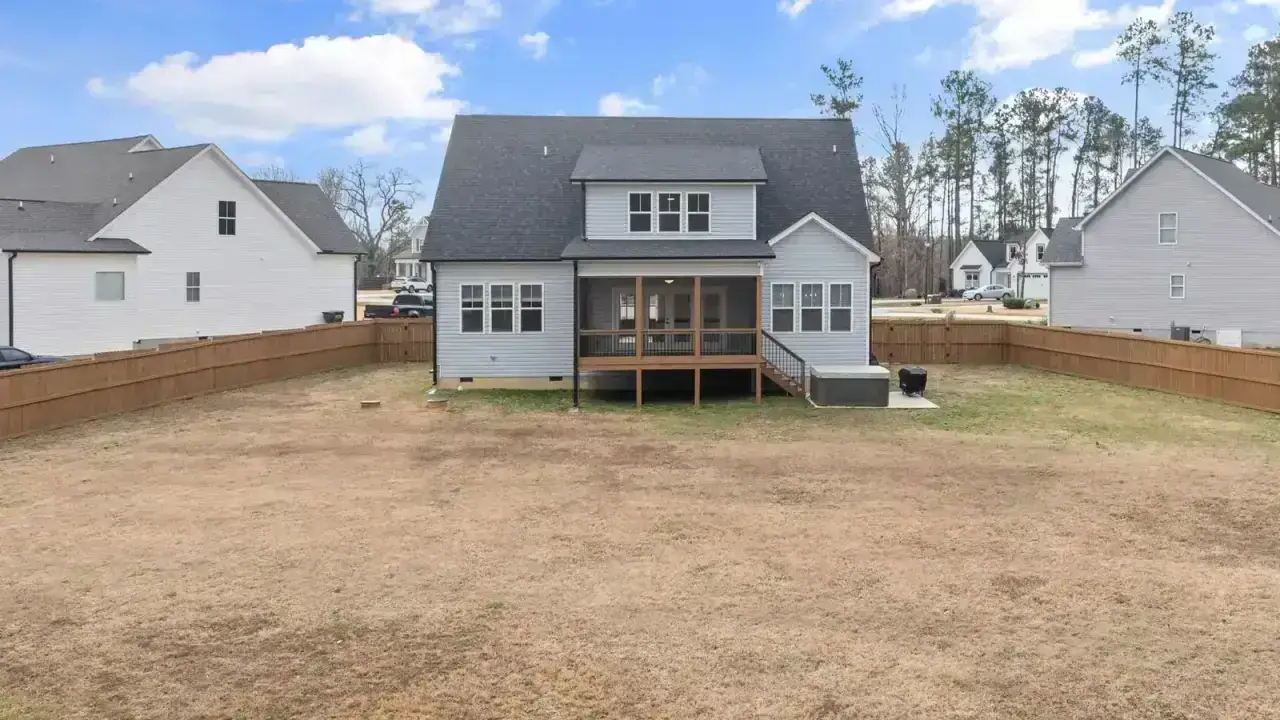
The National Association of Insurance Commissioners (NAIC) describes “Other Structures” as coverage for structures not attached to the house, including examples such as fences and sheds. NAIC consumer guidance also notes that detached buildings and pools can create coverage questions that should be discussed with the insurer. The practical lesson is simple: identify what is physically on the property, then compare that inventory with the policy rather than relying on assumptions.
What usually belongs under Coverage B?
Coverage B generally focuses on real property structures separated from the dwelling. Common examples can include a detached garage, storage shed, fence, gazebo or similar structure. Whether a swimming pool, dock, guest house, retaining wall, solar structure or other improvement fits within the same coverage depends on policy wording and endorsements.
| Property feature | Where to start checking | Why the answer can change |
|---|---|---|
| Detached garage | Other Structures / Coverage B | Business use, rental use, vehicle storage and special limits can matter |
| Fence | Other Structures | The cause of loss must still be covered; deterioration is different from storm damage |
| Shed or workshop | Other Structures | Contents are usually analyzed separately as personal property, and business property can have limits |
| Pool or permanent recreational structure | Declarations, endorsements and liability section | Property coverage and liability exposure are separate questions |
| Attached garage | Dwelling coverage rather than Coverage B in many forms | Attachment to the house changes the classification |
Detached does not mean “automatically covered for everything”
Coverage B is still subject to the policy’s covered causes of loss, exclusions, deductibles and conditions. If a fence collapses because it rotted over many years, the issue is different from a fence damaged by a covered wind event. Likewise, flood and earth movement are commonly handled separately from standard homeowners coverage. A structure can fall within the definition of “other structure” while the particular cause of damage remains excluded.
This is why the most useful claim question is not merely “Is my shed Coverage B?” It is: Is this structure insured, is this cause of loss covered, what limit applies, what deductible applies, and how will the loss be valued?
The limit is separate from the dwelling limit
The declarations page normally shows a separate amount for Other Structures. Some standard forms derive that amount from the dwelling limit, but policy forms and endorsements vary, and an insurer may offer different options. Treat the declarations page as the controlling starting point rather than assuming a universal percentage.
For example, imagine a property with a detached two-car garage, a premium fence and a finished backyard studio. If the combined replacement cost of those structures is much higher than the policy’s Other Structures limit, a total loss could create a substantial uninsured amount even though the main house is adequately insured.
What about the property inside a detached structure?
The building and the things stored inside it are usually separate coverage questions. The detached garage itself may be evaluated under Other Structures, while household tools, bicycles or furniture may fall under personal property coverage. A car is generally insured under auto insurance rather than homeowners personal-property coverage. Business inventory, professional equipment or property of others can also be subject to restrictions or different forms of insurance.
If a detached building is used for a business, do not rely on a standard homeowners policy without confirmation. NAIC consumer guidance warns that home-business inventory or supplies may not be adequately covered and that undisclosed business use can create problems. A dedicated business policy or endorsement may be appropriate.
Five situations that deserve a policy review
- You built a new detached structure. A garage, workshop, studio, shed or pool can materially change replacement cost and liability exposure.
- You converted a structure to business use. A home office, repair shop or storage area for commercial inventory can change the risk.
- You rent the structure or allow separate occupancy. Rental activity may require different coverage and underwriting.
- You installed an expensive fence or specialty structure. The existing limit may no longer match the cost to rebuild.
- Your property is exposed to wind, wildfire or other regional hazards. Deductibles, exclusions and settlement terms may differ by peril and state.
A practical claim example
A windstorm damages a detached garage roof, destroys part of a fence and ruins tools stored inside. The adjuster may need to separate the claim into multiple buckets: damage to the detached garage and fence under Other Structures, tools under personal property, and any vehicle damage under an auto policy. If the homeowner used the garage for paid commercial work, the insurer may also review business-use provisions. One event can therefore involve several policy sections and several limits.
How to audit Coverage B before a loss
- Walk the property and list every structure not physically attached to the house.
- Estimate realistic replacement cost, including labor, demolition and current materials.
- Compare the total with the Other Structures limit on the declarations page.
- Identify business use, rental use, pools, docks, retaining walls or unusual structures.
- Photograph the structures and keep receipts or construction records.
- Ask the insurer how the policy settles losses—replacement cost, actual cash value or another method.
- Confirm which deductibles and exclusions apply to the local hazards that concern you most.
This review fits naturally with a broader homeowners coverage checklist. If a detached structure must be rebuilt to newer codes, also review ordinance or law coverage. Buried utility lines serving detached buildings may raise a separate issue covered in our service line coverage guide.
Frequently asked questions
Is a detached garage covered by homeowners insurance?
It can be covered under the Other Structures section of a homeowners policy, but the covered causes of loss, limit, valuation method and exclusions still control. Business or rental use can change the analysis.
Does Coverage B pay for a car inside the garage?
Do not assume so. Motor vehicles are generally handled under auto insurance, while the structure and certain personal property inside it may be handled under homeowners coverage.
Are fences covered?
Fences are a common example of Other Structures in NAIC consumer materials, but a claim still depends on the cause of loss and policy terms.
Should I raise my Other Structures limit after adding a shed or studio?
Review the replacement cost and your declarations page. If the existing limit would not realistically rebuild the structures, ask the insurer whether a higher limit or endorsement is available.
Sources and further reading
Reviewed October 6, 2026. Homeowners policy forms, limits and endorsements vary by insurer and state. The declarations page and policy wording control.