
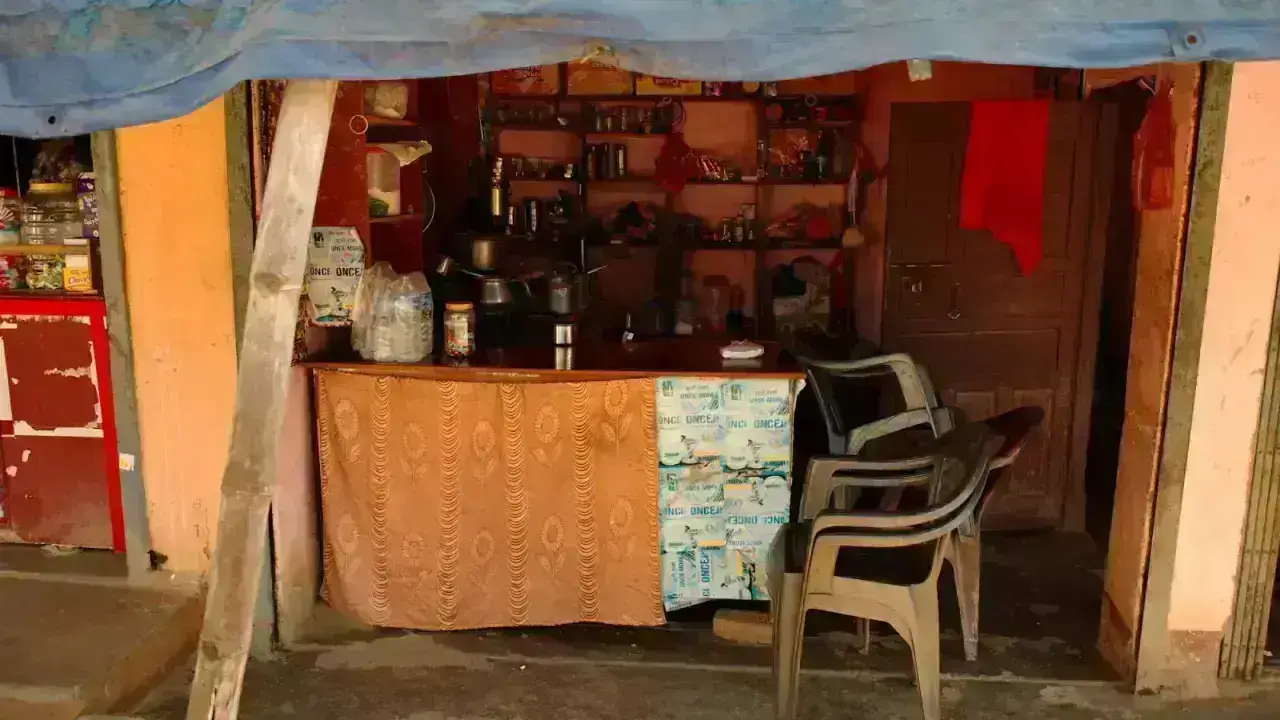
A company can rent its building and still have a major property exposure. Think about computers, point-of-sale systems, desks, tools, stock, raw materials, display fixtures and packaging. If a fire, theft or covered storm damages those assets, general liability insurance does not pay to replace your own property. Commercial property coverage is the part of the insurance program that is designed for this risk.
The California Department of Insurance defines business personal property as furniture, fixtures, machinery and equipment that are not permanently installed, inventory and other personal property owned and used in the business. The Insurance Information Institute also describes building contents under a businessowners policy as including items such as machinery, computers, raw materials and inventory.
What usually counts as business personal property?
| Asset | Usually treated as | Coverage issue to check |
|---|---|---|
| Desks, chairs, shelving and office furniture | Business personal property | Replacement-cost vs. actual-cash-value settlement |
| Computers, printers and equipment | Business personal property | Equipment breakdown and electronic-data limitations may be separate |
| Retail stock and finished goods | Inventory / BPP | Seasonal peaks can make a flat limit too low |
| Raw materials and work in process | Inventory / BPP | Valuation method and reporting basis |
| Permanently installed building systems | Often building property | Lease and policy definitions control |
| Customer property in your care | Property of others | May require a separate limit or specialized coverage |
Building coverage is not the same as BPP
Commercial property policies commonly separate the building from the contents. Building coverage addresses the structure and permanently installed components listed in the policy. BPP covers movable business property. A tenant may need substantial BPP insurance even if the landlord insures the building.
Lease agreements can complicate the line between building and business property. Tenant improvements and betterments, such as flooring, built-in counters, lighting or partitions paid for by the tenant, may need special treatment. Review the lease and policy together rather than assuming the landlord’s insurance protects improvements you funded.
How to choose a BPP limit
Start with a replacement inventory, not a rough balance-sheet number. List what it would cost today to replace furniture, equipment, supplies and stock after a total loss. Book value can be much lower than the real cost of rebuilding operations.
- Create an asset inventory. Include make, model, serial number, quantity and current replacement estimate.
- Capture seasonal peaks. Retailers and distributors can hold much more stock before holidays or peak sales periods.
- Review valuation. Replacement cost and actual cash value can produce very different claim payments.
- Check coinsurance or insurance-to-value requirements. Some forms can reduce a partial-loss payment if limits are materially below required values.
- Review every location. A policy may schedule specific premises, and newly acquired locations can have temporary limits.
Common gaps small businesses miss
Property away from the premises
Laptops, tools, demo equipment and stock may regularly leave the insured location. Standard BPP coverage can restrict how much is covered away from the premises. Mobile equipment or property in transit may be better addressed by inland marine or another specialized form.
Flood and earthquake
Commercial property policies often exclude flood and earth movement unless separate coverage or endorsements are purchased. A large BPP limit does not help if the cause of loss is excluded.
Mechanical or electrical breakdown
Damage caused by internal mechanical or electrical breakdown can require equipment breakdown coverage. A property policy may cover a fire that follows an electrical event while excluding the failed equipment itself, depending on wording.
Electronic data
A computer is tangible property; the data stored on it can be subject to separate definitions, sublimits or exclusions. Businesses that depend on software, databases or cloud systems should coordinate property coverage with cyber and technology coverage.
Documenting property before a claim
Photograph work areas and storage rooms, export asset lists, save purchase invoices and keep backups away from the same location. After a major loss, the challenge is not only proving that property was damaged; it is proving what existed, who owned it and what it will cost to replace.
Frequently asked questions
Does general liability insurance cover my own business equipment?
Generally no. General liability is primarily designed for covered third-party injury or property-damage claims. Your own furniture, equipment and inventory are normally addressed by commercial property coverage.
Does BPP cover customer property?
Not necessarily. Property of others can have separate treatment and limits. Repair shops, storage businesses and companies that regularly hold customer property should review this exposure specifically.
What if my inventory value changes every month?
Ask about peak-season limits, value-reporting forms or other methods that match coverage to changing stock levels. A static limit can be inadequate during a high-inventory period.
Sources & further reading
Reviewed against regulator and industry consumer guidance on October 5, 2026. Commercial property forms vary by insurer, industry, location and selected endorsements.