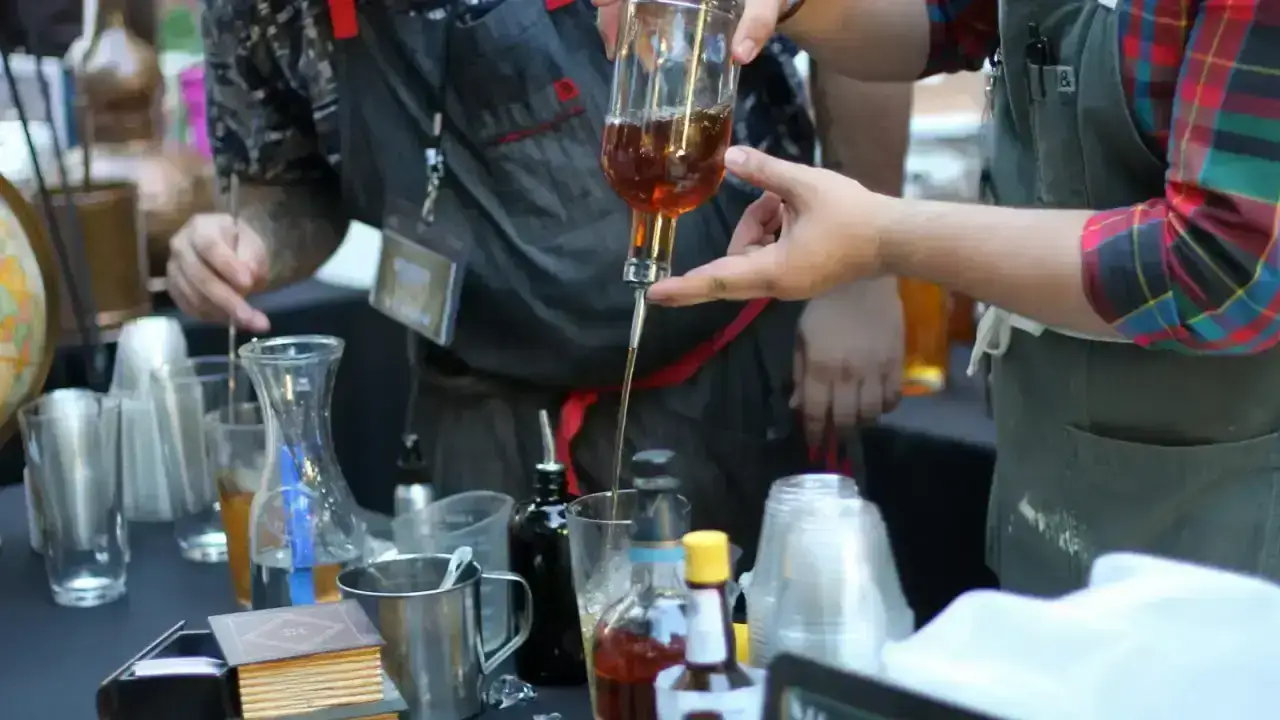
Alcohol service creates a liability question that is easy to miss because a business may already carry commercial general liability (CGL) insurance. A restaurant owner can see a broad liability policy and assume every third-party bodily injury claim is covered. But alcohol-related liability is a specialized exposure, and the CGL form can treat it differently depending on what the insured does for a living.
Triple-I explains that businesses such as bars, restaurants, breweries, caterers and event venues may need liquor liability coverage. It also notes that standard CGL generally does not cover alcohol-related incidents for a business involved in selling or serving alcohol. IRMI defines host liquor liability as liability arising from serving or distributing alcohol by a party that is not engaged in that activity as a business enterprise.
The practical difference
| Situation | Coverage issue to investigate | Why it matters |
|---|---|---|
| Restaurant or bar routinely sells alcohol | Liquor liability policy or endorsement | The business is in the alcohol trade and CGL liquor exclusions can apply |
| Caterer serves alcohol at client events | Liquor liability, licensing and contract requirements | Serving alcohol may be a regular business operation even away from the caterer’s premises |
| Office hosts an occasional holiday party | Host liquor treatment under CGL plus state social-host law | The company is not normally in the business of selling or serving alcohol |
| Venue rents space while another vendor serves alcohol | Own coverage plus vendor insurance, additional insured and indemnity terms | Contractual risk transfer does not replace the venue’s own coverage review |
What liquor liability can respond to
The exact insuring agreement varies, but the coverage is designed for claims alleging that alcohol service contributed to bodily injury or property damage. Examples can include allegations that staff continued serving an intoxicated patron who later caused a crash, or that inadequate service controls contributed to an incident.
This does not mean every alcohol-related claim is covered. Policies can contain exclusions, conditions, assault-and-battery provisions, designated-premises language, sublimits or requirements tied to licensing and operations. Coverage should be read together with the business’s broader commercial general liability protection.
Why state law matters so much
Dram-shop and social-host liability rules vary widely across the United States. A state’s law can affect who may be sued, the circumstances that create liability, evidentiary standards and damages. That legal variation is one reason a national business should not assume that a policy designed for one state automatically matches operations in another.
Insurance requirements can also come from liquor licensing rules, landlords, event contracts, municipalities and counterparties. An event organizer may require a certificate showing a specific liquor-liability limit and additional-insured status even if a business already carries a general liability policy.
Host liquor does not mean “free liquor liability insurance for everyone”
Host liquor protection is often discussed in connection with the CGL form, but the label can be misunderstood. The central question is whether the insured is in the business of manufacturing, distributing, selling, serving or furnishing alcoholic beverages under the applicable policy wording. An occasional company event can present a different coverage analysis from a restaurant’s nightly alcohol sales.
Endorsements can also change the standard wording. Never rely on the phrase “host liquor” in a summary or certificate without checking the actual policy.
Questions a restaurant, caterer or venue should ask
- Does the policy cover the specific way we sell, serve or furnish alcohol?
- Are all locations and off-premises catered events included?
- Is there an assault-and-battery exclusion or sublimit that could affect common hospitality claims?
- What are the per-occurrence and aggregate limits, and are defense costs inside or outside those limits?
- Do event contracts require additional insured status for landlords, venues or clients?
- Are temporary events, tastings and special permits covered?
- Does the insurer require server training, ID-check procedures or written alcohol-service controls?
- Do we have umbrella or excess liability that follows the liquor-liability exposure?
Certificates and additional insured requests
A certificate of insurance is evidence of coverage; it does not create coverage that the policy does not provide. If a venue asks to be an additional insured, the controlling document is the endorsement. Our guide to additional insured vs. certificate holder explains that distinction.
Small hospitality businesses also often combine multiple coverages in a business owners policy. A BOP can be a useful foundation, but a package policy should not be assumed to solve the liquor exposure automatically.
Risk controls still matter after insurance is purchased
Insurance transfers part of the financial risk; it does not replace safe alcohol-service procedures. Businesses should follow licensing requirements, train staff, document ID checks where required, establish procedures for intoxicated patrons, coordinate transportation policies and make sure managers know when service must stop. Those controls can reduce losses and may also be relevant to underwriting.
Frequently asked questions
Does general liability automatically cover a restaurant’s alcohol claims?
Do not assume so. Standard CGL forms can exclude liquor liability for businesses involved in selling or serving alcohol, and endorsements can modify the result.
What is host liquor liability?
It generally describes alcohol-related liability for an insured that is not engaged in serving or selling alcohol as a business. The actual policy wording controls.
Does hiring a bartender transfer all liability to the bartender?
No. Contracts and vendor insurance can allocate risk, but the host or venue may still face allegations. Review your own coverage and the vendor’s evidence of insurance.
Is liquor liability required by law?
Requirements vary by state, license, venue and contract. A business should check the rules that apply to each location and event.
Sources & further reading
Reviewed October 6, 2026. This article is educational, not legal advice. Dram-shop law, social-host law, licensing rules, policy forms and endorsements vary by state and insurer.