
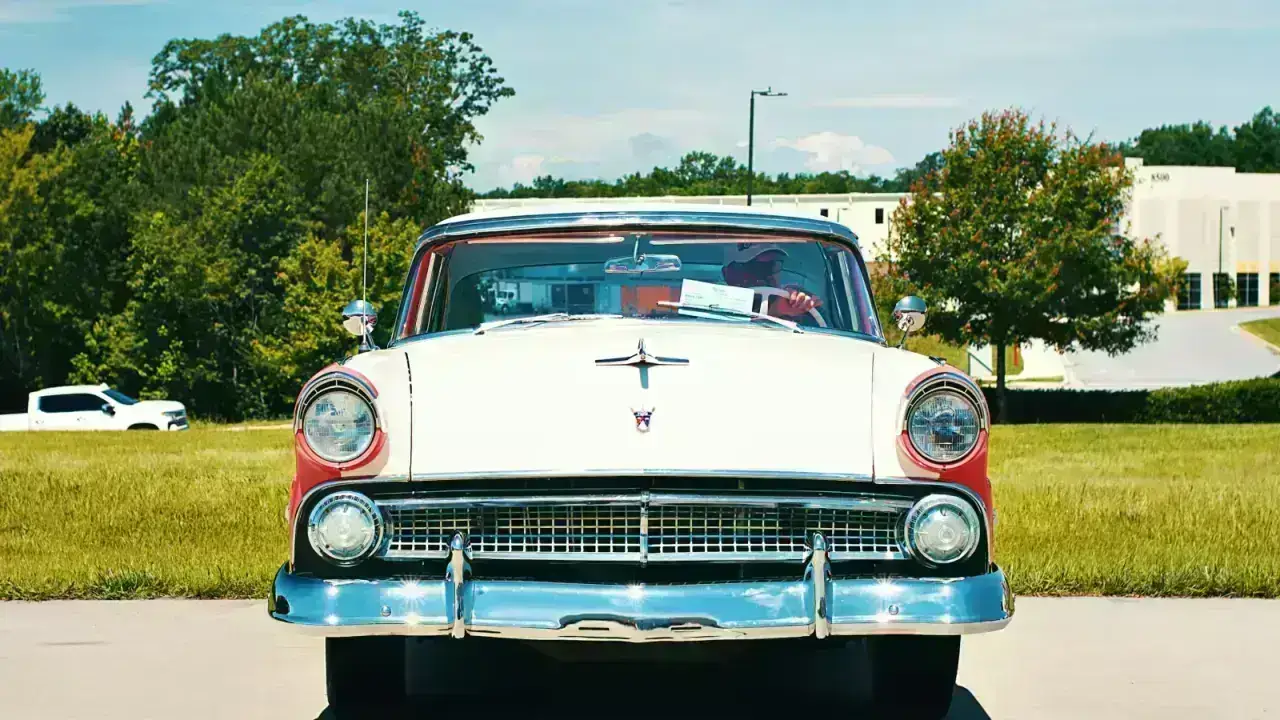
A restored classic can be worth more today than it was when new, while a standard auto policy is usually built around vehicles that depreciate with age and mileage. That mismatch is why a collector car often needs more than simply adding comprehensive and collision coverage to a regular policy.
Why standard auto insurance may not fit a collector car
Triple-I notes that classic, collectible and antique cars are unique and may need coverage that reflects their individual value. There is no single nationwide definition of a “classic car.” Insurers may consider age, condition, collectibility, modifications, intended use and the availability of another regular-use vehicle.
Ordinary auto insurance still provides the familiar liability framework required or selected under state law. What changes is how the specialty vehicle itself is valued and how the policy treats repairs, towing, spare parts and usage.
What agreed value means
One of the most important differences is vehicle valuation. Triple-I describes classic-car policies in which the owner and insurer agree on the vehicle’s value and specify it in the policy. That can be important because a rare restoration, limited-production model or custom build may not have a meaningful conventional “book value.”
Do not assume that every policy using words such as “stated amount,” “agreed value” or “guaranteed value” works identically. Read the loss-settlement clause itself. The declarations page and policy wording control how a total loss is calculated.
| Feature to compare | Why it matters for a classic car |
|---|---|
| Vehicle valuation | Collector values can differ sharply from ordinary depreciation schedules |
| Annual mileage/use | Some programs restrict commuting or routine daily use |
| Storage | Insurers may require secure garaging or other storage conditions |
| Repair choice | Specialist restoration labor and parts can cost more than standard body-shop work |
| Spare parts | Rare components may need dedicated limits |
| Towing | Low-clearance or specialty vehicles may require appropriate transport |
Mileage and usage restrictions
Classic-car programs are commonly designed for occasional pleasure use, shows, club events and similar activity rather than unrestricted commuting. The exact mileage cap or usage rule, if any, depends on the insurer. A policy can become a poor fit if the vehicle is actually used as a daily driver.
Tell the insurer how the car is used before binding coverage. Understating mileage, business use or household access can create underwriting and claim problems later.
Storage and driver eligibility
Collector insurers may have requirements involving garage storage, driver age, driving history and access to another vehicle for daily transportation. Triple-I also notes that serious driving violations can affect eligibility for specialized coverage. Requirements vary widely, so comparison should focus on underwriting rules as well as premium.
What coverages should still be reviewed?
- Liability: bodily injury and property damage protection remains fundamental and is governed by state law and policy limits.
- Physical damage: compare collision/comprehensive wording and the loss-settlement basis.
- Uninsured/underinsured motorist: availability and requirements vary by state.
- Spare parts and tools: check whether restoration parts have a separate limit.
- Roadside and towing: confirm the service is appropriate for a low-clearance or non-running collector vehicle.
- New acquisitions: if you regularly buy collector vehicles, ask how newly acquired cars are handled and how quickly they must be reported.
Do modifications increase or reduce insurability?
It depends. Some programs welcome modified vehicles, hot rods and custom builds, while others specialize in historically accurate cars. Modifications should be disclosed with documentation, photographs, invoices or appraisals when requested. The insurer needs enough information to understand what it is agreeing to insure.
How often should the value be reviewed?
A collector vehicle can appreciate as restoration work is completed or market demand changes. Triple-I recommends adjusting coverage as value changes. An annual review is a practical checkpoint, especially after major restoration work, engine upgrades, paintwork or a material change in the collector market.
Frequently asked questions
How old does a car need to be to qualify?
There is no universal age threshold. Some insurers use age guidelines, while others focus on collectibility, condition, use and value.
Can I commute every day in a car insured on a classic policy?
Possibly not. Many collector programs restrict routine use. Check the policy and underwriting rules before assuming commuting is allowed.
Is agreed value the same on every policy?
No. The exact loss-settlement wording matters. Compare the contract rather than relying on a marketing label.
Do I still need liability coverage?
Yes. A classic vehicle is still subject to applicable state financial-responsibility or insurance requirements, and liability protection remains important even when the car is rarely driven.
Sources & further reading
Reviewed October 3, 2026. Collector-vehicle eligibility, mileage, storage, valuation and repair provisions vary by insurer and state.