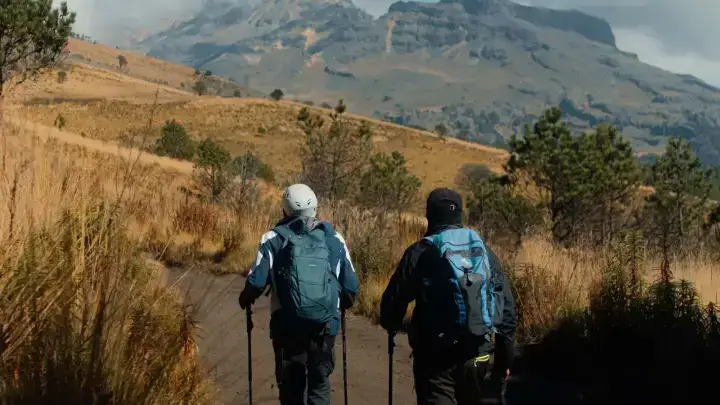
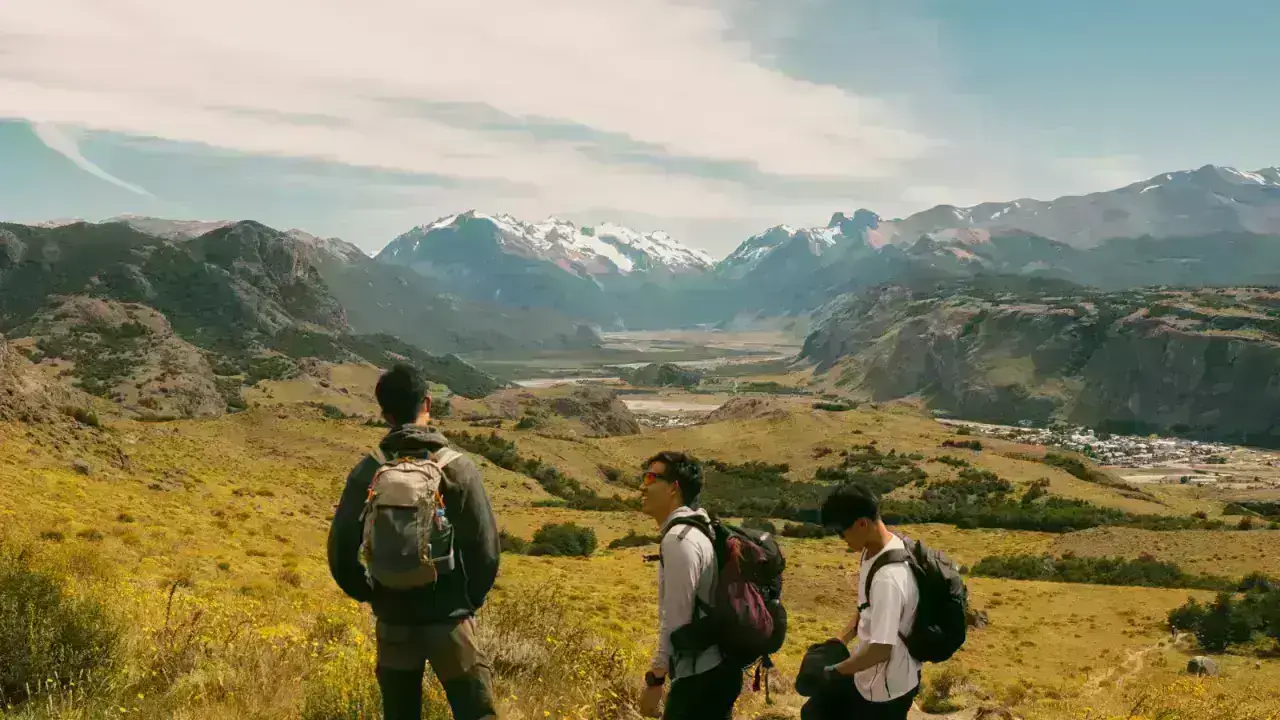
Adventure travel creates two insurance problems at once: the chance of an injury can be higher, and the location may make treatment or rescue much more expensive. The U.S. Department of State advises travelers to make sure their insurance covers the activities they intend to participate in and warns that medical evacuation from remote areas can cost more than $100,000.
Why “travel insurance included” is not enough
A travel plan can include trip cancellation, baggage and emergency medical benefits while still excluding the activity that causes the claim. NAIC travel-insurance guidance lists risky activities such as bungee jumping and backcountry skiing among common exclusions found in some policies. Other plans offer optional sports coverage or define covered activities by difficulty, altitude, supervision or licensing.
Activities that deserve extra scrutiny
- Mountaineering, trekking at high altitude or technical climbing.
- Backcountry, off-piste or helicopter-access skiing and snowboarding.
- Scuba diving, especially deeper or unsupervised diving.
- Skydiving, paragliding, hang gliding or bungee jumping.
- Motor racing, motorcycle touring or organized competitions.
- Caving, canyoning, rafting and other guided or technical activities.
- Expeditions to remote regions with limited emergency services.
The exact definition of a hazardous activity is policy-specific. Do not rely only on a marketing page; read the certificate or policy.
Medical evacuation vs. search and rescue
These benefits are not always the same. Medical evacuation typically addresses transportation to an appropriate medical facility when medically necessary under the policy. Search-and-rescue coverage may address the cost of locating or extracting a traveler from a remote area. A helicopter used in a mountain incident could involve rescue, medical evacuation or both depending on the circumstances and contract wording.
| Benefit | Question to ask |
|---|---|
| Emergency medical | Are injuries from the planned sport covered? |
| Medical evacuation | Who determines necessity and destination? |
| Search and rescue | Is it included, optional or excluded? |
| Sports equipment | Are skis, bicycles, dive gear or climbing gear subject to sublimits? |
| Trip interruption | Can a covered injury reimburse unused trip costs and transport home? |
Destination and altitude can change the answer
A plan that covers ordinary recreational hiking may define mountaineering differently once ropes, technical equipment or a stated altitude are involved. Ski coverage can also distinguish marked resort trails from backcountry terrain. If the policy uses an altitude or certification threshold, document that your planned itinerary fits it.
What about guides and tour operators?
A reputable operator’s safety procedures and liability arrangements are important, but they do not replace your own travel medical insurance. The State Department notes that adventure organizations may require participants to sign liability releases and that emergency response can be difficult in remote regions.
Adventure-travel insurance checklist
- List every planned activity before shopping for coverage.
- Read the hazardous-activity and sports exclusions.
- Check altitude, depth, supervision and equipment requirements.
- Confirm emergency medical limits and whether your domestic health plan works abroad.
- Review medical evacuation and search-and-rescue as separate line items.
- Check sports-equipment limits and exclusions for unattended gear.
- Carry the insurer’s emergency-assistance contact details offline.
- Keep receipts, medical records and incident documentation if a claim occurs.
Frequently asked questions
Does normal travel insurance cover hiking?
It may cover ordinary hiking, but technical climbing, high-altitude trekking or other defined hazardous activities can be excluded. Check the actual wording.
Is helicopter rescue always covered by medical evacuation insurance?
No. Search-and-rescue and medical-evacuation benefits can be separate, and coverage depends on medical necessity, location and policy terms.
Does Medicare cover medical care abroad?
The U.S. Department of State notes that Medicare and Medicaid generally do not cover expenses abroad. Travelers should check their own health coverage and supplemental options.
Can I buy coverage after an adventure trip has started?
Availability and effective dates vary. Buying after departure may restrict or eliminate important benefits, so arrange coverage before the trip whenever possible.
Sources & further reading
Reviewed October 3, 2026. Adventure-sport definitions, exclusions, altitude limits, rescue benefits and evacuation requirements vary materially by plan.