
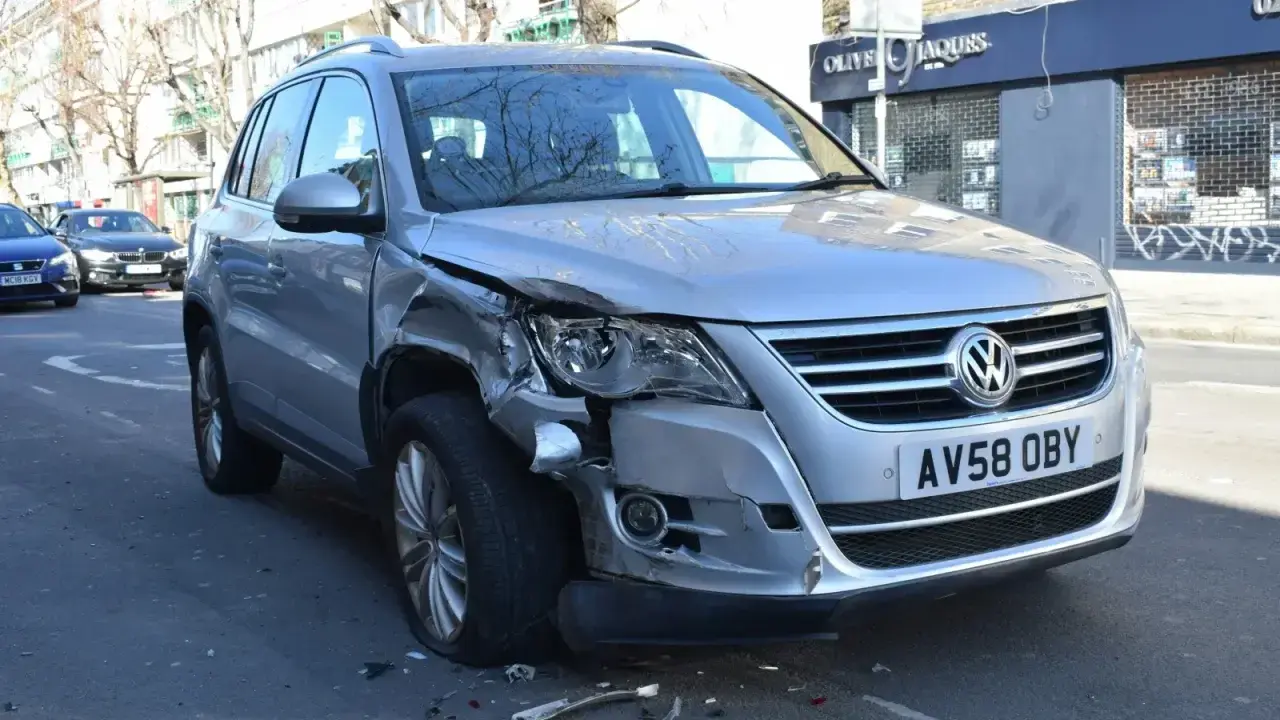
Liability insurance protects other people when you cause a covered crash. UM/UIM coverage looks in the opposite direction: it can protect you and other insured people when the driver who caused the crash cannot fully pay through liability insurance.
The NAIC lists uninsured/underinsured motorist coverage among the coverages that may appear in an auto policy. Because U.S. auto insurance is regulated at the state level, the details are not uniform nationwide.
What uninsured motorist coverage does
Uninsured motorist bodily injury (UMBI) can pay covered injury-related losses when a legally liable driver has no applicable insurance. Depending on state law and policy wording, uninsured-motorist treatment may also apply to certain hit-and-run situations or when an insurer is insolvent.
Uninsured motorist property damage (UMPD) may cover qualifying damage to your vehicle or other insured property in states and policies where it is offered. Availability, deductibles and interaction with collision coverage vary.
What underinsured motorist coverage does
UIM is designed for a different gap. The at-fault driver has liability insurance, but the available limit is insufficient for a covered claim. Your UIM coverage may provide an additional source of recovery, subject to your own limit and the policy’s calculation rules.
| Situation | Coverage to review | Important caveat |
|---|---|---|
| At-fault driver has no liability insurance | Uninsured motorist (UM) | State definitions and policy conditions apply |
| At-fault driver has low liability limits | Underinsured motorist (UIM) | Your UIM calculation can depend on state law and policy wording |
| Hit-and-run crash | UM may apply | Reporting and physical-contact rules can vary |
| Damage to your own car | Collision or UMPD | UMPD is not available or structured the same way everywhere |
| Your medical bills after a crash | UM/UIM bodily injury, plus other applicable coverages | Coordination with health, PIP or MedPay differs by state |
UM and UIM limits matter
Having the coverage is only part of the decision. The declarations page shows the limit purchased. If a serious injury exceeds that amount, the policy does not become unlimited simply because the other driver was uninsured.
Some states permit or require limits to be displayed as split limits, while others may use combined single limits. Some jurisdictions also have rules on whether limits can be “stacked” across vehicles or policies. Those questions are state-specific and should be verified with the insurer or state insurance department.
UM/UIM is not the same as collision coverage
Collision coverage is generally designed to pay for covered physical damage to your own vehicle after a collision, regardless of who caused it, subject to a deductible. UM/UIM bodily injury focuses on injury losses caused by an uninsured or underinsured driver. UMPD, where available, is the property-damage counterpart but may have different rules from collision.
If your main concern is getting your car repaired quickly after a crash with an uninsured driver, ask how collision and UMPD work together in your state and whether one deductible is lower than the other.
What to do after a crash with an uninsured driver
- Call emergency services when needed and move to a safe location.
- Report the crash as required by state law and your policy.
- Collect driver, vehicle, witness and scene information when it is safe to do so.
- Photograph damage and the roadway.
- Notify your insurer promptly and ask which UM/UIM, collision, PIP or medical-payments coverages may apply.
- Keep medical records, repair estimates and proof of other losses.
- Do not assume the other driver is uninsured until coverage is verified.
Questions to ask before choosing limits
Ask whether UM and UIM are combined or separate, whether bodily injury and property damage are separate coverages, whether UMPD is available, what deductible applies, whether stacking is permitted and how the policy defines an underinsured vehicle. Also compare the amount of protection with your liability limits and financial exposure.
Frequently asked questions
Is UM/UIM required in every state?
No. Requirements vary. Some states require insurers to include or offer the coverage, while others allow different rejection or selection rules.
Does UIM pay automatically after the other driver’s limit is used?
No. You still must satisfy the terms of your policy and state law, including proof of liability and covered damages. Calculation rules differ.
Will UM pay for a hit-and-run?
It can in some states and policies, but notice, evidence and physical-contact requirements may apply.
Can I use collision instead of UMPD?
Collision may cover your vehicle damage subject to its terms and deductible. Whether UMPD is available or preferable depends on the policy and jurisdiction.
Sources & further reading
Reviewed against U.S. regulator guidance in September 2026. UM/UIM requirements, definitions and claim calculations are state-specific; the declarations page and policy wording control coverage.