
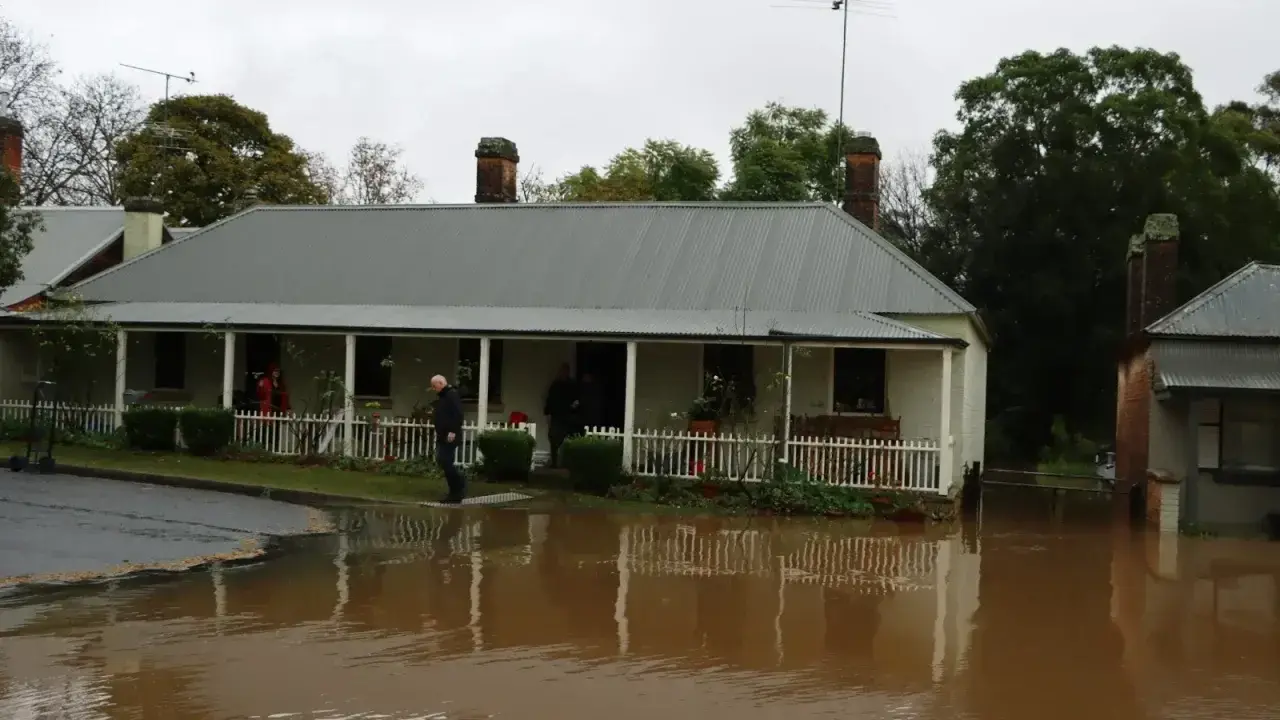
“Water damage” sounds like one insurance problem, but homeowners policies divide water losses by cause. A basement can be wet after a broken pipe, a backed-up sewer, a failed sump pump or water entering from a flood outside. Those events may look similar after the fact, yet they can trigger very different coverage.
The National Association of Insurance Commissioners (NAIC) lists sewer backup as a common optional homeowners add-on and describes flood insurance as separate coverage. That distinction is the starting point for understanding a water claim.
Sewer backup and flood are different perils
A sewer or drain backup generally involves water or sewage moving backward through a drain or sewer line into the property. A related endorsement may also address certain sump-pump overflow or backup losses, depending on its wording.
A flood generally involves water affecting normally dry land from an external source, such as overflow of inland or tidal waters or rapid accumulation of surface water. Most homeowners policies do not include this peril. Homeowners who want protection for qualifying flood losses usually need a separate flood policy, available through the National Flood Insurance Program (NFIP) or private insurers.
| Water-loss scenario | Where coverage may come from | What to verify |
|---|---|---|
| River, storm surge or surface water enters the home | Separate flood insurance | Building/contents limits, deductible and effective date |
| Sewer or drain backs up into the basement | Sewer/water-backup endorsement if purchased | Limit, deductible and definition of backup |
| Sump system overflows or backs up | May be included in a water-backup endorsement | Whether sump overflow is specifically included |
| Pipe suddenly bursts inside the home | May fall under homeowners coverage | Cause of loss, exclusions and resulting-damage wording |
| Long-term seepage or maintenance problem | Often restricted or excluded | Policy exclusions and maintenance obligations |
Why the source of the water matters
Insurance coverage is built around a cause of loss, not simply the fact that property became wet. If a storm overwhelms municipal drainage and external surface water enters a basement, the analysis can point toward flood coverage. If wastewater reverses through a drain, the analysis can point toward a water-backup endorsement. If a supply line breaks behind a wall, the homeowners policy may address resulting damage subject to the contract.
That is why photographs, plumber reports, weather records and the first observations made after a loss can matter. They help establish where the water came from and how it entered the building.
Does homeowners insurance cover a sewer backup?
Do not assume it does. The NAIC identifies water backup of a sewer as coverage that can be purchased in addition to the standard homeowners package. Insurers use different endorsement names and forms, so homeowners should confirm whether the declarations page shows a sewer, drain, sump or water-backup endorsement.
Also check the limit. A water-backup endorsement may have a limit that is lower than the dwelling limit. Cleanup, damaged flooring, drywall, mechanical equipment and personal property can make even a localized basement loss expensive.
Does flood insurance cover every kind of water damage?
No. Flood insurance is designed for qualifying flood losses; it is not a universal water-damage policy. Coverage depends on the flood definition, the property insured and the terms of the policy. A drain backup that is not directly caused by a covered flood may require different coverage.
The reverse is also important: buying a sewer-backup endorsement does not replace flood insurance. A backup endorsement and a flood policy address different exposures and can be relevant to the same property.
What to check before a loss
- Find the water-backup line on the declarations page. Confirm the limit and deductible rather than relying on a verbal assumption.
- Ask whether sump overflow is included. Endorsements vary.
- Check flood coverage separately. Do not assume “water damage” language includes rising surface water.
- Review basement property limits. Some flood policies treat below-grade areas differently.
- Document home systems. Keep photos and maintenance records for drains, sump pumps, backwater valves and plumbing.
- Know the claim number to call. Fast mitigation can reduce further damage, but safety comes first around contaminated water or electrical hazards.
How to compare water-backup endorsements
Compare the trigger, dollar limit, deductible, whether both building and personal property are covered, whether sump overflow is included and whether remediation expenses are subject to the same limit. A low-cost endorsement can still leave a large gap if the limit is small compared with the value of a finished basement.
Frequently asked questions
Is sewer backup the same as flood damage?
No. They are treated as different causes of loss. Sewer backup is commonly addressed by an endorsement, while external flooding usually requires separate flood insurance.
If heavy rain causes the sewer to back up, which policy pays?
It depends on the path and cause of the water and the wording of both policies. A claims adjuster may need to determine whether the loss is a backup, a flood or a combination of causes.
Does a sump-pump failure automatically have coverage?
No. Some water-backup endorsements include specified sump overflow or backup events, but coverage is not universal. Read the endorsement.
Can I buy flood insurance if I am outside a high-risk flood zone?
Yes. Flood risk exists outside high-risk zones, and the NAIC notes that NFIP claims also occur outside high-risk areas.
Sources & further reading
Reviewed against U.S. insurance-regulator and NFIP consumer guidance in September 2026. Coverage depends on the cause of loss, state law, endorsements and the actual policy wording.