
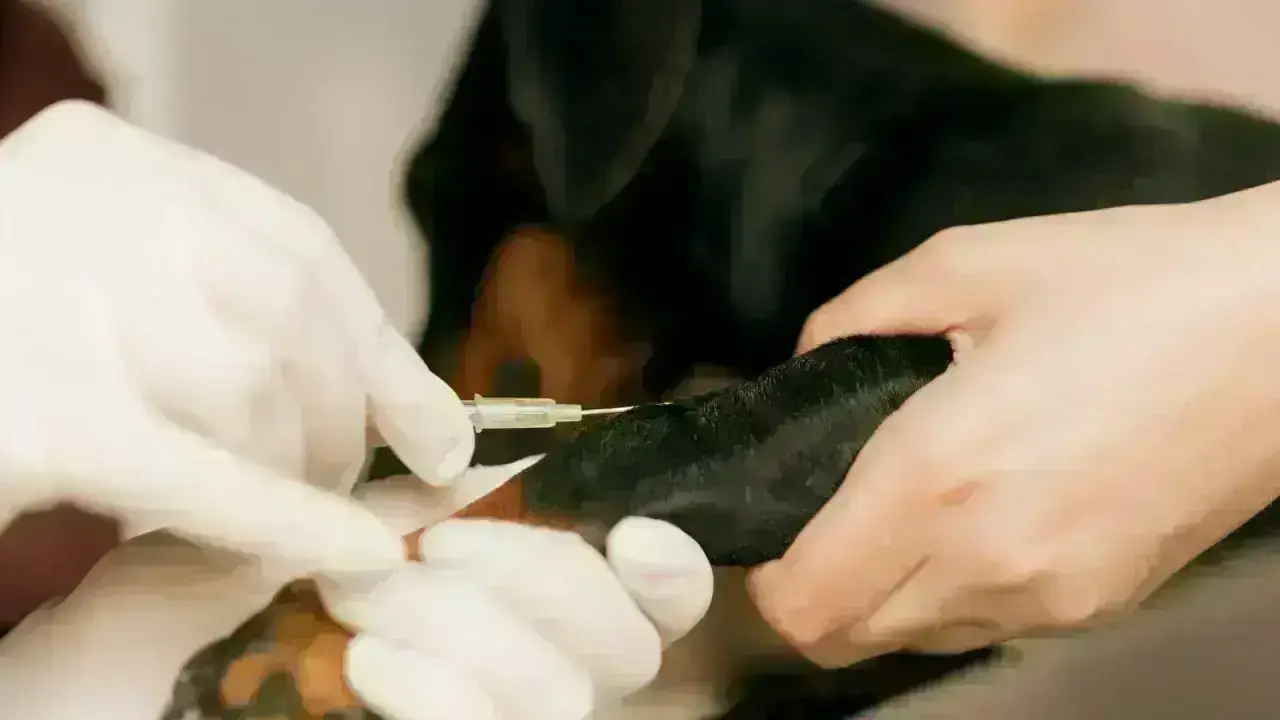
Veterinary medicine can involve the same financial trade-offs consumers see elsewhere in health care: advanced diagnostics and treatment can improve outcomes, but they can also create large, unexpected bills. Pet insurance is one way owners can transfer part of that financial risk.
The NAIC notes that pet insurance products commonly include deductibles, coverage limits and exclusions, and that most policies operate on a reimbursement basis. That means the owner may pay the veterinarian first and submit a claim afterward, although market practices continue to evolve.
The three broad types of pet coverage
Accident-only
Accident-only plans focus on injuries caused by events such as fractures, wounds or accidental ingestion, subject to policy definitions. They generally do not provide broad protection for illnesses.
Accident and illness
These plans can cover a wider range of eligible veterinary treatment for both injuries and illnesses. Coverage may include diagnostics, surgery, hospitalization and prescription drugs, but the exact list varies. Hereditary or congenital conditions may be treated differently among insurers.
Wellness or preventive benefits
Routine care such as vaccinations, exams or dental cleaning may be offered through a wellness package or separate benefit. Some wellness products are not structured the same way as major medical insurance, so buyers should compare the expected reimbursement with the added cost.
| Feature | Why it matters | What to check |
|---|---|---|
| Deductible | Amount the owner pays before eligible reimbursement | Annual vs. per-condition structure |
| Reimbursement rate | Percentage of eligible cost reimbursed | Whether calculation is based on invoice or benefit schedule |
| Annual or lifetime limit | Caps the insurer’s payment | Dollar limit and whether sublimits apply |
| Waiting period | Coverage may not begin immediately | Different periods for accidents, illness or orthopedic conditions |
| Pre-existing conditions | Common source of claim disputes | Definition, look-back and curable-condition rules |
Why pre-existing-condition wording matters
Most pet insurers restrict or exclude pre-existing conditions. The important question is how the policy defines the term. Some contracts focus on signs or symptoms that existed before coverage, not only on a formal diagnosis. Owners should disclose requested medical history accurately and understand whether a condition can ever become eligible again after a symptom-free period.
Annual deductible or per-condition deductible?
An annual deductible generally applies once across covered claims during the policy year, while a per-condition structure can apply separately to different illnesses or injuries. Neither structure is automatically better. The effect depends on whether a pet experiences one expensive condition or several unrelated conditions.
Questions to ask before enrollment
- Can I use any licensed veterinarian? Network and reimbursement rules differ.
- How are emergency and specialist visits handled? Confirm whether referral or preauthorization is required.
- Are hereditary and congenital conditions covered? Breed-related risks can make this important.
- What happens at renewal? Ask how age, claims history and plan changes can affect future premiums and benefits.
- Is dental illness covered? Accident-related dental treatment and dental disease can be treated differently.
- How fast are claims reimbursed? Cash-flow matters when the owner must pay the clinic first.
Is pet insurance worth it?
The answer depends on the household’s ability to absorb an unexpected veterinary bill, the pet’s age and health, the policy terms and the owner’s preference for predictable budgeting. Insurance is most valuable for losses that would be difficult to self-fund. Routine, predictable costs can be evaluated separately.
Frequently asked questions
Does pet insurance cover pre-existing conditions?
Many policies exclude them, although definitions and treatment of certain curable conditions vary.
Does the veterinarian bill the insurer directly?
Many U.S. policies reimburse the owner after the bill is paid, but some providers and clinics may support direct-payment arrangements.
Does pet insurance cover preventive care?
It can, but preventive or wellness benefits may require a separate plan or add-on.
Sources & further reading
Reviewed in September 2026. Product rules and state adoption of pet-insurance standards differ; always read the policy and state disclosures.