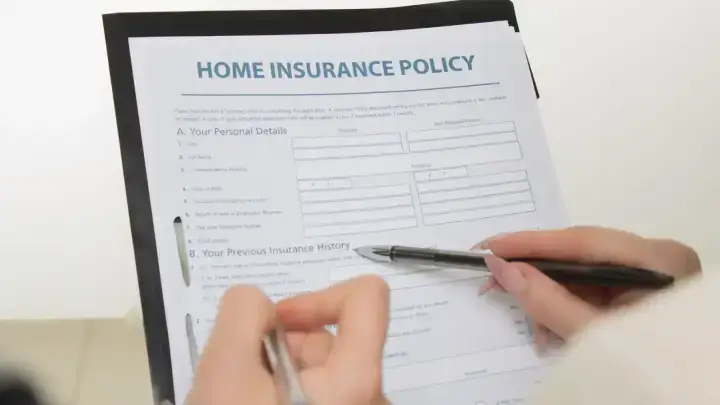

Many insurance disputes begin with a detail that could have been spotted on the declarations page: the wrong vehicle, an outdated mortgage company, a lower limit than expected, a percentage wind deductible or an endorsement the policyholder did not realize was attached.
The NAIC’s consumer materials describe the declarations page as the place to find core policy details. Its homeowners shopping tool highlights policy period, limits, deductibles, premium, discounts and extra coverage, while NAIC auto guidance says the declarations page can also identify covered cars, loans, risks and contact information.
The declarations page in eight checks
| Field | What to verify | Why it matters |
|---|---|---|
| Named insured | Correct legal name and household/business details | The named insured receives the policy’s rights and duties |
| Policy number | Matches notices, ID cards and claim records | Prevents confusion when multiple policies exist |
| Policy period | Effective and expiration dates | A loss must occur within the applicable coverage period |
| Covered property / vehicles | Correct address, vehicle VIN or scheduled property | Wrong insured property can create major claim problems |
| Coverage limits | Dollar or other stated limits for each coverage | Limits cap or define available protection subject to policy terms |
| Deductibles | Dollar and percentage deductibles, including special perils | Your share of a covered loss can differ by cause of loss |
| Forms / endorsements | List of policy forms modifying coverage | Endorsements can add, restrict or change the base policy |
| Mortgagee / lienholder | Correct lender and address | Proof, claim checks and loan compliance can depend on it |
1. Named insured is more important than a mailing label
The named insured is not merely the person receiving mail. It identifies the person or entity to whom the policy grants key rights and imposes duties. In a personal policy, confirm names after marriage, divorce, estate changes or a move. In a business policy, confirm the correct legal entity and any required affiliates.
Do not confuse “named insured” with every person who may have some protection under the policy. Definitions such as insured, resident relative, additional insured or loss payee can have different meanings in different policy types.
2. Check effective dates after every renewal or policy change
A declarations page should state when coverage begins and ends. If you replaced a policy, verify there is no unintended gap and that the old policy was actually cancelled on the intended date. If coverage is temporary while a full policy is being issued, our insurance binder guide explains how binders fit into the process.
3. Read each limit in context
A high total premium does not tell you whether the limits are adequate. Homeowners declarations can separate dwelling, other structures, personal property, loss of use, liability and medical payments. Auto policies can show bodily injury, property damage, uninsured motorist, physical damage and other limits.
Some coverages also have sublimits inside the policy that may not be obvious from the main declarations grid. High-value jewelry, water backup, cyber benefits and special property can have separate caps. Treat the dec page as the index, then read the relevant form.
4. Do not miss percentage deductibles
A declarations page can show a flat-dollar deductible, a percentage deductible or more than one deductible depending on peril. A 2% deductible is not the same as $2,000; the dollar result depends on the base defined by the policy. Wind, hurricane and earthquake deductibles deserve special attention in catastrophe-prone regions.
5. Forms and endorsements can change the policy you thought you bought
Endorsements are not administrative clutter. They can broaden coverage, add exclusions, change deductibles, schedule valuable property or alter settlement terms. Compare the form numbers listed on the declarations page with the actual pages in the policy package and ask the insurer or licensed producer about anything you do not recognize.
6. Verify the lender information
Homeowners policies commonly list a mortgagee, and auto policies may list a lienholder or loss payee. An outdated lender after refinancing can delay proof of insurance or a claim payment. The mortgage relationship can also affect how structural claim proceeds are handled; see our guide to mortgage companies and home insurance claim checks.
7. Premium and discounts are useful—but not the coverage itself
The declarations page can show premium and discounts for the policy term. Use those fields to verify billing, but do not judge the policy only by price. Two policies with similar premiums can have very different limits, deductibles and endorsements.
8. Review the dec page after a life change
- Moving or adding a second residence.
- Buying, selling or replacing a vehicle.
- Refinancing a mortgage or paying off a loan.
- Adding a teen driver or changing household drivers.
- Renovating a home or buying high-value property.
- Changing a business entity or adding a location.
- Renewing after an insurer changes forms, limits or deductibles.
What the declarations page does not prove
The dec page does not contain every exclusion, condition or definition. It may list an endorsement without reproducing the wording. It also does not guarantee that a future claim will be paid; coverage depends on the loss facts and full contract.
If a policy is being cancelled or not renewed, the notice itself also matters. Our cancellation vs. nonrenewal guide explains the difference and the documents to keep.
A 10-minute renewal routine
- Match the named insured and address.
- Check the policy dates.
- Verify every home, vehicle, location or scheduled item.
- Compare limits with the prior term.
- Compare all deductibles with the prior term.
- Scan the forms and endorsement list for additions or removals.
- Verify lender information.
- Review premium and discounts.
- Save the declarations page with the complete policy PDF.
- Ask written questions about any unexplained change before the renewal becomes urgent.
Frequently asked questions
Is the declarations page my entire insurance policy?
No. It summarizes policy-specific information. The full contract also includes insuring agreements, definitions, exclusions, conditions and endorsements.
Where can I find my deductible?
The declarations page normally shows key deductibles, but special deductibles or conditions may also appear in endorsements. Review both.
What if the declarations page lists the wrong mortgage company?
Contact the insurer or producer promptly with the correct lender information. An error can affect proof of insurance and claim-check processing.
Should I keep old declarations pages?
Yes. Keeping prior terms can help you identify changes in limits, deductibles, forms and premium and can document what policy was in force on a past date.
Sources & further reading
Reviewed October 6, 2026. Declarations pages and policy forms vary by insurer and state. Always read the complete policy and endorsements for controlling coverage terms.