
Homeowners usually hear the word “reinsurance” only when premiums are rising or insurers are reducing business in catastrophe-prone areas. The concept sounds remote from a household policy, yet it is part of the financial architecture behind many property insurers.
The NAIC describes reinsurance as a contract in which a primary insurer transfers all or part of risk to a reinsurer. The U.S. Government Accountability Office (GAO) reported in 2026 that insurers use reinsurance and other tools to limit concentrated catastrophe risk, and that reinsurance availability and pricing can influence homeowners markets.
Reinsurance in one simple example
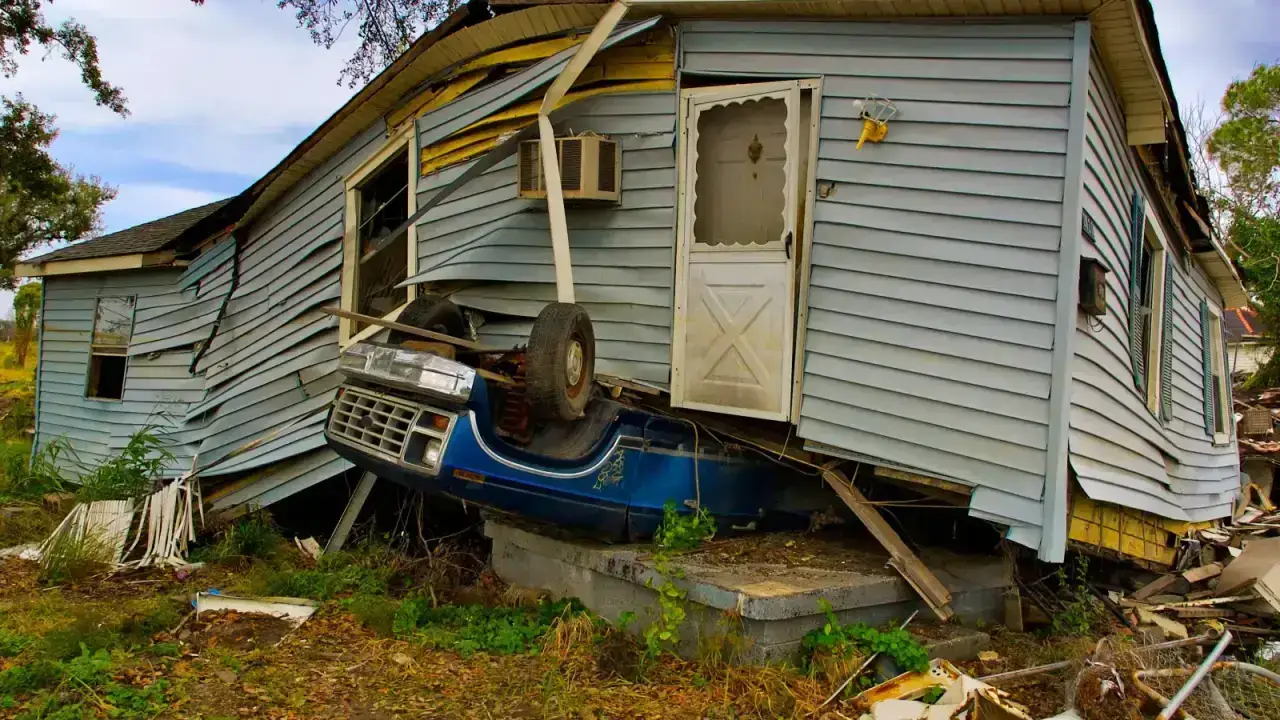
Imagine an insurer covers thousands of homes along a hurricane-exposed coastline. Most years, many policyholders may have no major loss. But one severe storm can create thousands of claims at the same time. The insurer can retain all that volatility itself, or it can pay a reinsurer to absorb specified losses above or within agreed layers.
The homeowner’s contract remains with the primary insurer. Reinsurance is behind the scenes: it is designed to protect the insurer’s balance sheet, not to replace the homeowner’s policy.
How reinsurance can influence a homeowners market
| Reinsurance effect | What it means for the insurer | Possible consumer connection |
|---|---|---|
| Catastrophe risk transfer | Part of severe loss volatility moves to reinsurer | Can support capacity to write catastrophe-exposed homes |
| Capital management | Insurer can manage the amount of risk retained on its balance sheet | Can influence underwriting appetite and growth |
| Reinsurance pricing | Insurer pays premium for the protection | Where permitted, net cost can be part of rate justification |
| Availability / terms | Protection may become more expensive or limited after major loss years | Primary insurers may reassess territories, limits and new business |
Does expensive reinsurance automatically mean your premium rises?
No single input automatically determines an individual renewal. Homeowners rates also reflect expected claims, catastrophe models, rebuilding costs, expenses, property characteristics, chosen coverages, deductibles, state rules and other factors.
But reinsurance can be a real component. GAO’s 2026 homeowners insurance report found that expected costs used in ratemaking can include reinsurance and that most states generally allow the net cost of reinsurance to be included in premiums. In states where that occurs, insurers must support those costs actuarially. GAO also notes that when reinsurance costs increase, homeowners premiums may increase, although the size of the effect differs by geography and insurer.
For the broader set of pricing drivers, read why homeowners insurance premiums are rising.
What reinsurance can do for availability
Reinsurance can give a primary insurer more capacity to take on risk because a portion of potential catastrophe losses is transferred. That does not guarantee that the insurer will write every home. Underwriting appetite, state rate regulation, local construction, mitigation, catastrophe models and the insurer’s own capital strategy still matter.
If reinsurance becomes too costly relative to the premium an insurer expects to collect, a company may reassess how much catastrophe-exposed business it wants. That can show up as stricter underwriting, geographic concentration controls or reduced new business. Those decisions are company-specific and subject to state law.
Reinsurance does not change who owes your claim
If you have a covered homeowners loss, your claim is against your insurer under your policy. You generally do not need to know which reinsurers are behind the company, what treaty applies or whether the insurer ultimately recovers part of the payment from a reinsurer. The primary insurer remains responsible for its contractual obligations to you.
Our foundational reinsurance guide explains cedents, reinsurers, treaties and recoveries in more technical detail.
Reinsurance vs. catastrophe bonds
Insurers and reinsurers can also transfer catastrophe risk through insurance-linked securities such as catastrophe bonds. A cat bond uses capital-market investors rather than a traditional reinsurer to assume defined catastrophe risk. The trigger and structure differ from ordinary reinsurance, but both tools can expand sources of catastrophe protection.
See our catastrophe bonds guide for the investor and trigger mechanics.
What homeowners should actually review
You normally cannot negotiate your insurer’s reinsurance program, so the useful consumer response is to focus on the parts of the risk you can control:
- Compare multiple insurers because catastrophe appetite can differ materially by company.
- Review dwelling replacement cost rather than reducing limits solely to chase a lower premium.
- Understand wind, hurricane, wildfire or other special deductibles that apply in your area.
- Document roof, wind, wildfire and other mitigation improvements that your insurer or state program recognizes.
- Start shopping early after a nonrenewal notice; high-risk markets can require more time.
- Check the financial strength and licensing of the primary insurer rather than trying to evaluate its reinsurance program from marketing claims alone.
Why geography matters
Reinsurance is especially important where many insured homes can be hit by the same event. A storm can damage thousands of properties across one territory, unlike a typical isolated house fire. That correlation is what makes catastrophe risk capital-intensive. The same logic applies to wildfire clusters, earthquakes and other events capable of producing concentrated losses.
Frequently asked questions
Do homeowners buy reinsurance?
No. In the standard arrangement, insurers buy reinsurance. Homeowners buy primary homeowners insurance from an insurer.
Can I make a claim directly against my insurer’s reinsurer?
Generally no. Your insurance contract is with the primary insurer, which remains responsible for covered claims under that policy.
Is reinsurance the only reason home premiums rise?
No. Expected claims, catastrophe losses, rebuilding costs, expenses, property characteristics, coverage choices and state market conditions also matter.
Can better reinsurance make insurance available in a high-risk area?
It can support insurer capacity, but it does not guarantee availability. Underwriting, regulation, capital and local risk conditions remain important.
Sources & further reading
Reviewed October 6, 2026. Reinsurance programs, state ratemaking rules and insurer underwriting strategies change over time. This guide explains the consumer connection without evaluating any specific insurer.