
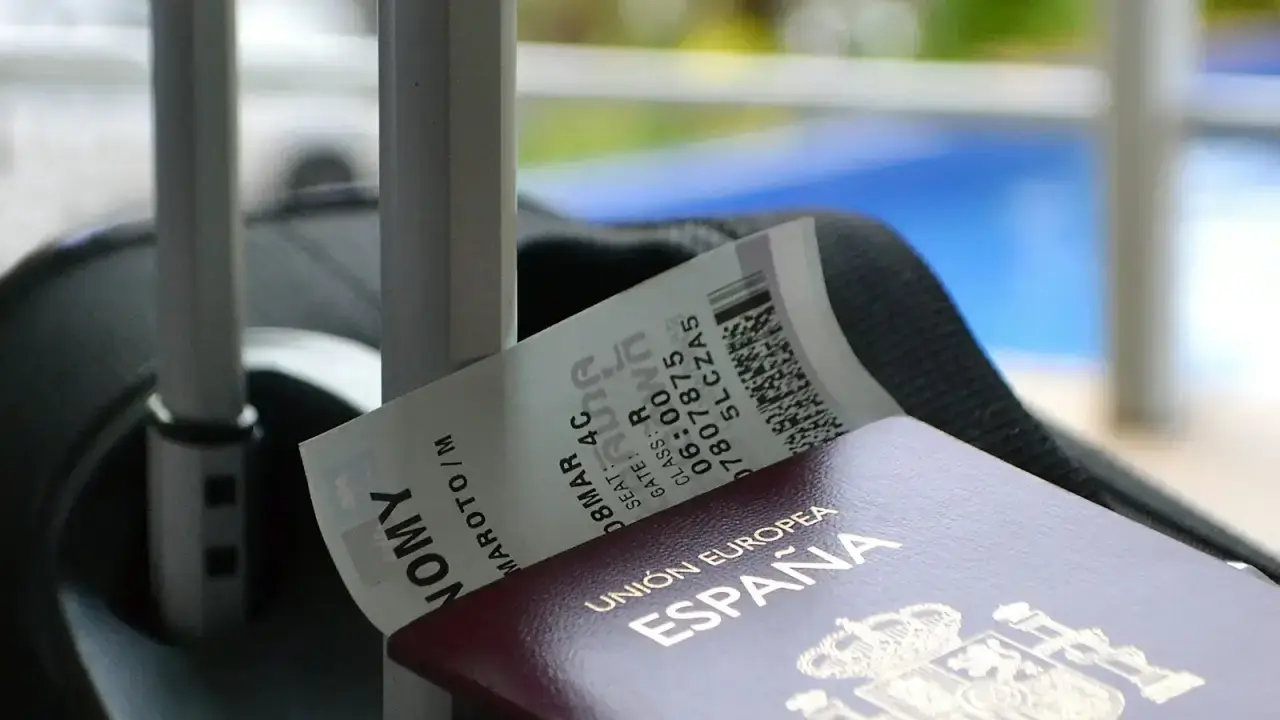
Travel claims are often delayed for a simple reason: the insurer can see that something happened, but it cannot verify what the traveler actually lost. A strong claim file connects three things: the event, the coverage provision and the amount you are requesting.
Step 1: read the coverage that matches the event
Trip cancellation, trip interruption, travel delay, baggage, medical expense and rental-car damage are different coverages. Each has separate triggers, limits, exclusions and documentation rules. Do not file a generic claim without identifying the benefit you are using.
Step 2: notify the right company
Contact the travel insurer or claims administrator using the contact information in the policy or certificate. If an airline, cruise line, hotel, credit card or another insurer also owes a refund or benefit, follow those processes too. Travel insurance may coordinate with other available refunds or coverage.
Step 3: prove what happened
| Claim type | Examples of useful documentation |
|---|---|
| Trip cancellation | Booking confirmations, cancellation notice, medical documentation when relevant, refund statements |
| Travel delay | Carrier delay/cancellation notice, new itinerary, hotel and meal receipts |
| Baggage loss/delay | Airline baggage report, baggage tags, receipts for necessary replacement items |
| Emergency medical | Medical records, itemized bills, proof of payment, diagnosis documentation |
| Theft | Police or local authority report when appropriate, ownership evidence, receipts |
Required documents vary. Use the insurer’s actual checklist rather than relying only on a general list.
Step 4: prove the amount you lost
Save the original trip invoice, proof of payment and every refund or credit you received. If an airline refunds a ticket, you generally cannot claim that same refunded amount as an unreimbursed loss. The insurer needs to see the net amount remaining after refunds and credits.
Step 5: keep every receipt
For delay, medical and emergency claims, keep receipts for expenses you believe are covered. NAIC consumer guidance repeatedly emphasizes documenting losses and keeping receipts during insurance claims. A credit-card statement can help, but an itemized receipt is usually more useful because it shows what was purchased.
Step 6: file before the policy deadline
Claim-notice and proof-of-loss deadlines vary by policy and jurisdiction. Report promptly and check the claim form for any separate deadline to submit supporting documents. If you need more time to obtain records, ask the claims administrator what is required to preserve the claim.
Common mistakes that slow claims
- Submitting only a credit-card charge without the invoice.
- Leaving out refunds, vouchers or credits already received.
- Failing to obtain a carrier’s written reason for a delay or cancellation.
- Assuming every reason for cancellation is covered.
- Sending screenshots without dates, names or reservation details.
- Missing a policy deadline.
- Discarding medical bills or baggage reports.
- Claiming optional upgrades that exceed policy limits.
Build a one-folder claim file
Create one digital folder with the policy certificate, claim number, chronology, receipts, airline/hotel correspondence, medical documents and all emails with the insurer. Rename files clearly, such as Hotel-Receipt-June-14.pdf. This makes it easier to answer follow-up requests.
If the claim is denied
Ask for the reason and policy provision in writing. Compare the denial with the policy, then follow the insurer’s appeal or review process if you have additional evidence. If you believe the insurer is mishandling the claim, your state department of insurance can explain complaint options.
Frequently asked questions
Do I need receipts for every travel insurance claim?
Many reimbursement claims require proof of the expense. Requirements vary, so check the specific claim form and policy.
Can I claim an expense that the airline already refunded?
Generally, insurance is intended to reimburse covered unreimbursed loss, not create duplicate recovery. Disclose all refunds, credits and vouchers.
How quickly should I file?
As soon as reasonably possible. The policy can contain specific notice and documentation deadlines.
Does a travel delay automatically qualify?
No. The delay must meet the policy’s covered reason, minimum delay period, limits and documentation rules.
Sources and further reading
Reviewed October 3, 2026. Claim deadlines, proof requirements, covered reasons and reimbursement rules are controlled by the specific policy and applicable law.