
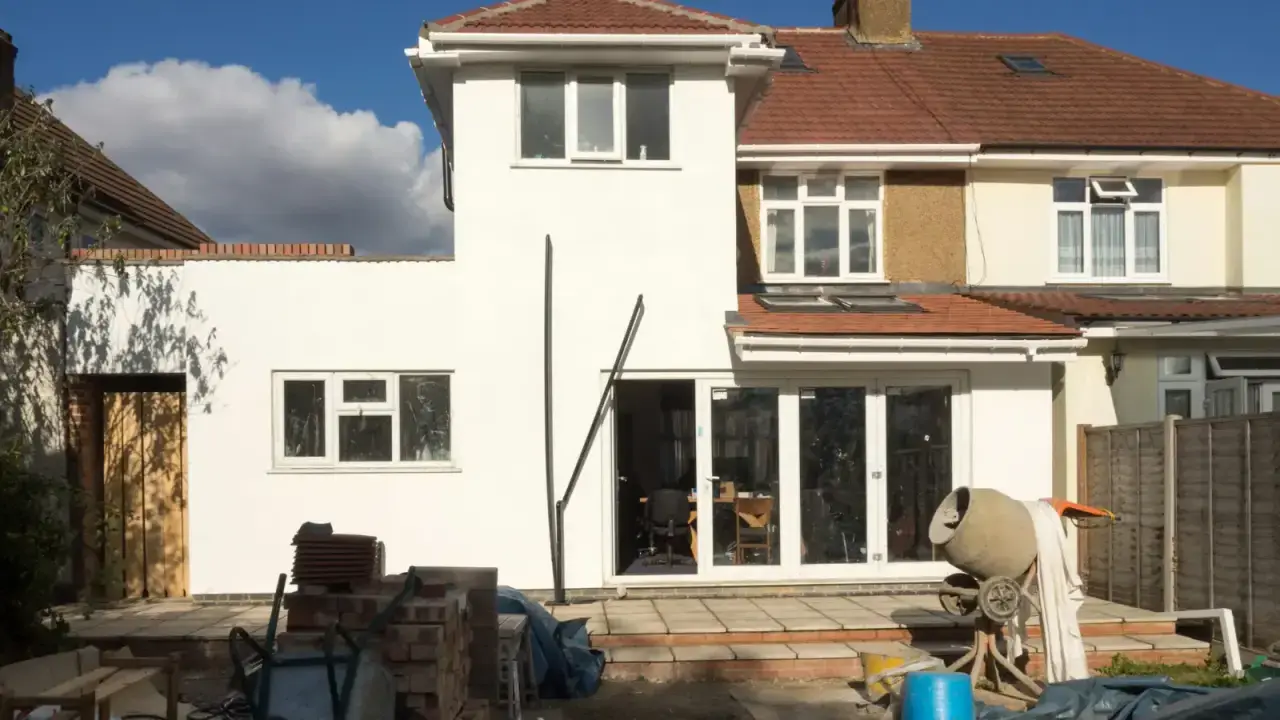
Rebuilding a home after a major fire, windstorm or other covered loss is not always a matter of replacing what was there before. Local codes may have changed since the house was built. A municipality can require updated wiring, stronger structural components, modern plumbing, fire-protection features, accessibility changes or other work before repairs are approved.
That creates a potential insurance gap: the direct physical damage may be covered, while the additional cost of complying with current law may be limited or excluded unless the policy includes an ordinance or law provision or endorsement. The Insurance Information Institute notes that ordinary homeowners insurance generally may not pay the extra cost of bringing an older home up to current code and suggests reviewing ordinance or law coverage when that exposure matters.
What does ordinance or law coverage usually address?
Policy wording differs, but ordinance or law protection is commonly designed around three kinds of expense:
- Undamaged portions that must be demolished. A local rule may require removal of a section that was not directly damaged because the remaining structure cannot legally stay in place.
- Demolition costs. Tearing down the required portion of the building can create expenses beyond the original covered damage.
- Increased cost of construction. Repairs may have to use newer materials or methods to satisfy current codes rather than simply reproduce the pre-loss construction.
These categories are common insurance concepts, but the actual policy may combine them, set separate sublimits or define them differently. Always read the endorsement attached to the policy.
Why replacement cost coverage is not the same thing
Replacement cost coverage is designed to pay the cost of repairing or replacing covered property without deducting depreciation, subject to the policy terms and limits. It does not automatically mean every code-upgrade expense is covered.
For example, a covered fire may damage an older electrical panel. Replacing the damaged panel itself can fall within the covered repair, while a requirement to upgrade additional wiring throughout the home may create a separate ordinance-or-law cost. That distinction is why homeowners should not assume a replacement-cost policy eliminates the need to review code-upgrade protection.
Which homes may have greater exposure?
Older homes are the obvious candidates because codes can change materially over decades. But newer homes can also be affected when local standards change after construction. Exposure can increase after renovations, changes in occupancy, additions, wildfire-hardening rules, wind requirements or updated energy codes.
| Situation | Potential issue | Question to ask |
|---|---|---|
| Older electrical system | Repair may trigger newer electrical standards | Does the policy cover increased construction cost required by code? |
| Major structural loss | Undamaged sections may have to be removed | Is demolition of undamaged property covered? |
| Local code changed after purchase | Rebuild requirements may be stricter than original construction | What ordinance or law limit applies? |
| Partial loss | Matching or system-wide upgrades may be required | How does the policy define the covered building and required work? |
How much ordinance or law coverage do you need?
There is no universal percentage that is correct for every home. The practical question is how expensive code-driven work could become relative to the dwelling limit. A newer home in a jurisdiction with modest code changes may have a different exposure than a century-old home with dated wiring, plumbing and structural systems.
Ask the insurer or agent whether ordinance or law protection is included automatically, offered as a percentage of Coverage A, or available as a separate limit. Then compare the dollar amount with a realistic reconstruction scenario rather than looking only at the percentage.
What may still be excluded?
Ordinance or law coverage is not a maintenance plan. It generally does not pay to upgrade a home simply because a code changed. Coverage is typically connected to a covered loss and to enforcement of an applicable law or ordinance. It also does not turn an excluded cause of loss into a covered one.
If flood, earthquake, wear and tear or another excluded cause creates the damage, adding ordinance or law coverage to a homeowners policy does not necessarily create coverage for the underlying event. Separate policies or endorsements may be needed for those hazards.
A practical renewal checklist
- Confirm whether ordinance or law coverage is included or optional.
- Check the dollar limit, not just the percentage shown on the declarations page.
- Ask whether demolition of undamaged portions is included.
- Review the home’s age, major systems and recent local code changes.
- Make sure the dwelling limit itself reflects current reconstruction costs.
- Keep permits, renovation records and contractor invoices with your home inventory.
Ordinance or law coverage vs. guaranteed replacement cost
Some insurers offer extended or guaranteed replacement-cost features, but those terms vary and should not be treated as substitutes for reading the code-upgrade language. The Insurance Information Institute specifically notes that even guaranteed replacement-cost coverage may not automatically pay every additional expense created by updated building codes.
Frequently asked questions
Is ordinance or law coverage included in every homeowners policy?
No. Some policies include a limited amount, while others offer it by endorsement. Availability and limits vary.
Does it pay for voluntary renovations?
Generally, ordinance or law coverage is tied to code compliance required after a covered loss, not elective remodeling.
Can building codes affect a partial loss?
Yes. A code requirement can sometimes affect portions of a structure beyond the directly damaged area, depending on local law and the facts of the loss.
Should owners of newer homes review it?
Yes. Code changes can occur after any home is built, and local enforcement rules differ.
Sources & further reading
Reviewed October 2, 2026. Building codes, policy forms and ordinance-or-law limits vary by jurisdiction and insurer; policy wording controls coverage.