Cyber & Insurance Technology

First-Party vs. Third-Party Cyber Insurance: Coverage Differences Explained

Understand how first-party and third-party cyber insurance respond differently to breach response, data restoration, business interruption, liability claims and regulatory costs.

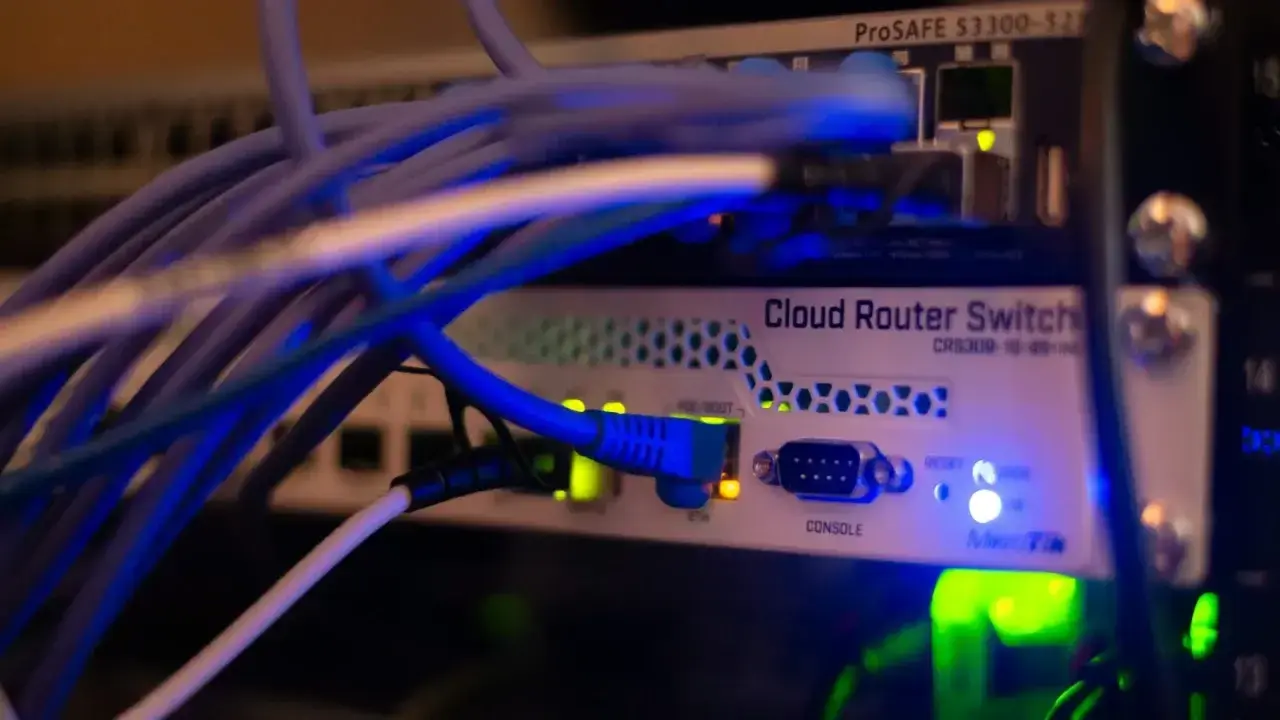
Rows of server equipment in a data center, illustrating first-party and third-party cyber insurance exposures
Photo: Albert Stoynov / Unsplash
Short answer: First-party cyber insurance is primarily designed for the insured organization’s own cyber-event costs, such as forensic investigation, data restoration, notification, cyber business interruption and certain extortion expenses. Third-party cyber coverage addresses liability when customers, business partners or regulators allege the organization caused or failed to prevent harm.

Cyber insurance is often described as one product, but a policy can contain several distinct coverage sections. The difference between first-party and third-party coverage is a useful starting point because the same data breach can create both types of loss at the same time.

NAIC consumer material developed with the Federal Trade Commission describes first-party cyber coverage as protection for the business’s own data and costs, while third-party coverage generally protects against liability claims brought by others.

What is first-party cyber coverage?

First-party coverage focuses on the insured organization’s direct financial response to a cyber incident. Depending on the policy, that can include forensic services, recovery or replacement of data, notification and call-center costs, crisis management, business interruption and certain cyber extortion or fraud losses.

First-party exposure Typical insurance question
Forensic investigation Will the policy pay approved experts to determine what happened?
Data restoration Are costs to restore or recreate data covered?
Breach notification Are mailing, call-center or credit-monitoring expenses covered?
Cyber business interruption How long is the waiting period and how is lost income calculated?
Cyber extortion What consent, sanctions and law-enforcement conditions apply?

What is third-party cyber coverage?

Third-party coverage addresses claims that the insured business is legally responsible for harm suffered by someone else. NAIC material lists examples such as litigation costs, regulatory inquiries, settlements, damages and certain privacy or network-security liability claims.

A customer alleging that exposed personal information caused harm is a different financial problem from the insured paying to restore its own servers. A well-structured cyber program considers both.

One breach can trigger both sides

Imagine a ransomware attack that encrypts internal systems and exposes customer information. The company may need forensic investigators, data restoration, legal advice and customer notification immediately. Those are first-party response costs. Weeks later, customers or business partners may bring claims, and regulators may investigate. Those are third-party liability exposures.

Why policy wording matters more than the label

Cyber insurance is highly customized. The NAIC notes that cyber policies can vary substantially. Two policies can both advertise “cyber liability” while using different definitions, sublimits, waiting periods, exclusions and consent requirements.

  • Check the definition of a security failure or privacy event.
  • Review ransomware and cyber-extortion conditions. Some actions may require insurer consent before money is spent.
  • Find the business-interruption waiting period. Cyber BI can use a time retention rather than a dollar deductible.
  • Review dependent business interruption. A cloud or technology provider outage may need separate language.
  • Understand panel vendors. The insurer may require approved breach counsel, forensics or notification vendors.
  • Read regulatory and PCI provisions. Fines or penalties may be covered only where legally insurable and only under stated terms.

What should happen during a cyber incident?

CISA’s ransomware guidance recommends following an incident response plan, isolating affected systems, preserving evidence and involving relevant stakeholders. The guidance specifically lists the cyber insurance company among parties that may need to be contacted during response.

That matters because some policies require prompt notice or prior consent before certain vendors, ransom negotiations or major expenses are incurred.

First-party vs. third-party is not the only cyber distinction

Policies can also separate cyber crime, funds-transfer fraud, social engineering, technology errors and omissions, media liability and system failure. Some coverages may sit inside one policy; others may require endorsements or separate contracts.

How to compare two cyber quotes

Create a coverage matrix rather than comparing premium alone. For each quote, list first-party limits, third-party limits, ransomware sublimits, business-interruption waiting periods, dependent-system coverage, social-engineering limits, retention, exclusions and incident-response services.

Frequently asked questions

Is ransomware first-party or third-party?

Ransomware can create first-party expenses such as response, restoration and interruption, while a resulting data breach can also create third-party claims. Coverage depends on the policy.

Does general liability insurance cover cyber claims?

The NAIC notes that most commercial property and general liability policies do not cover cyber risks comprehensively. Businesses should review explicit cyber coverage rather than assume it exists.

What is cyber business interruption?

It can cover eligible lost income and extra expense when a covered cyber event disrupts operations, subject to definitions, a waiting period and calculation rules.

Should I call the cyber insurer before hiring experts?

Yes, review the policy’s notice and consent requirements immediately. Some insurers maintain approved incident-response panels.

Reviewed against NAIC and CISA guidance in September 2026. Cyber policies are highly customized; the policy wording and incident-response conditions control.


Cyber & Insurance Technology

First-Party vs. Third-Party Cyber Insurance: Coverage Differences Explained

Understand how first-party and third-party cyber insurance respond differently to breach response, data restoration, business interruption, liability claims and regulatory costs.

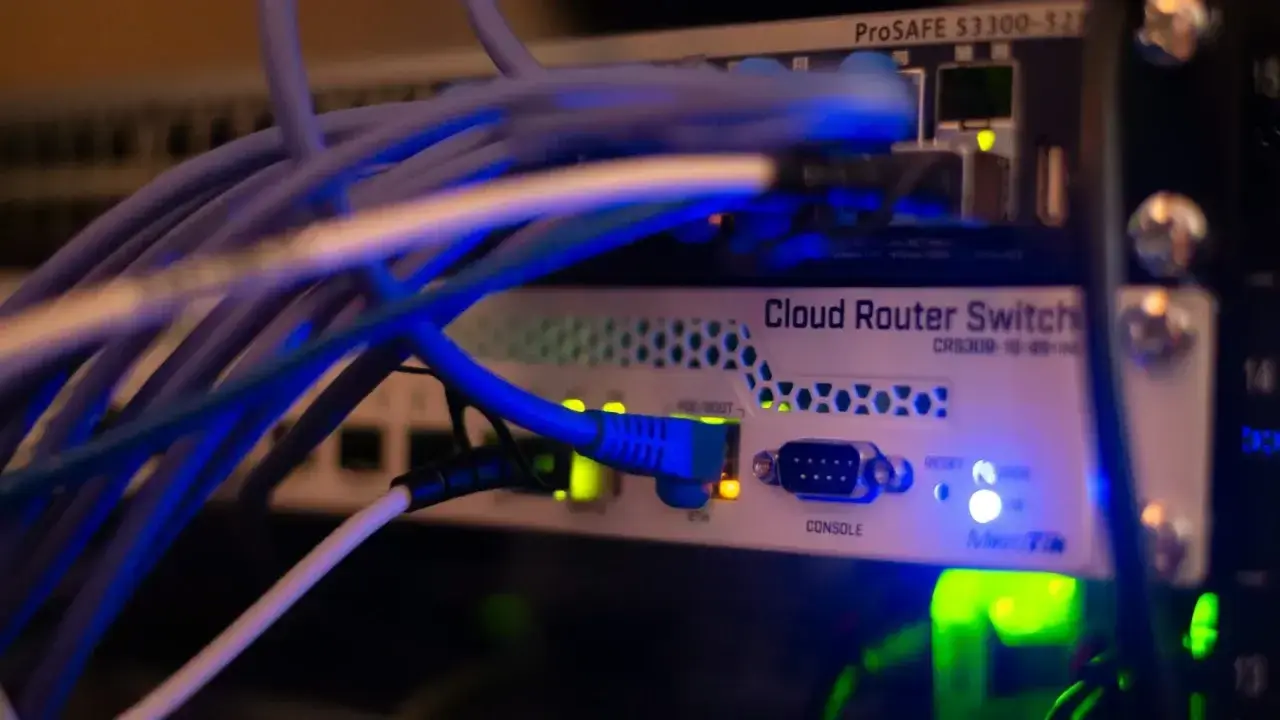
Rows of server equipment in a data center, illustrating first-party and third-party cyber insurance exposures
Photo: Albert Stoynov / Unsplash
Short answer: First-party cyber insurance is primarily designed for the insured organization’s own cyber-event costs, such as forensic investigation, data restoration, notification, cyber business interruption and certain extortion expenses. Third-party cyber coverage addresses liability when customers, business partners or regulators allege the organization caused or failed to prevent harm.

Cyber insurance is often described as one product, but a policy can contain several distinct coverage sections. The difference between first-party and third-party coverage is a useful starting point because the same data breach can create both types of loss at the same time.

NAIC consumer material developed with the Federal Trade Commission describes first-party cyber coverage as protection for the business’s own data and costs, while third-party coverage generally protects against liability claims brought by others.

What is first-party cyber coverage?

First-party coverage focuses on the insured organization’s direct financial response to a cyber incident. Depending on the policy, that can include forensic services, recovery or replacement of data, notification and call-center costs, crisis management, business interruption and certain cyber extortion or fraud losses.

First-party exposure Typical insurance question
Forensic investigation Will the policy pay approved experts to determine what happened?
Data restoration Are costs to restore or recreate data covered?
Breach notification Are mailing, call-center or credit-monitoring expenses covered?
Cyber business interruption How long is the waiting period and how is lost income calculated?
Cyber extortion What consent, sanctions and law-enforcement conditions apply?

What is third-party cyber coverage?

Third-party coverage addresses claims that the insured business is legally responsible for harm suffered by someone else. NAIC material lists examples such as litigation costs, regulatory inquiries, settlements, damages and certain privacy or network-security liability claims.

A customer alleging that exposed personal information caused harm is a different financial problem from the insured paying to restore its own servers. A well-structured cyber program considers both.

One breach can trigger both sides

Imagine a ransomware attack that encrypts internal systems and exposes customer information. The company may need forensic investigators, data restoration, legal advice and customer notification immediately. Those are first-party response costs. Weeks later, customers or business partners may bring claims, and regulators may investigate. Those are third-party liability exposures.

Why policy wording matters more than the label

Cyber insurance is highly customized. The NAIC notes that cyber policies can vary substantially. Two policies can both advertise “cyber liability” while using different definitions, sublimits, waiting periods, exclusions and consent requirements.

  • Check the definition of a security failure or privacy event.
  • Review ransomware and cyber-extortion conditions. Some actions may require insurer consent before money is spent.
  • Find the business-interruption waiting period. Cyber BI can use a time retention rather than a dollar deductible.
  • Review dependent business interruption. A cloud or technology provider outage may need separate language.
  • Understand panel vendors. The insurer may require approved breach counsel, forensics or notification vendors.
  • Read regulatory and PCI provisions. Fines or penalties may be covered only where legally insurable and only under stated terms.

What should happen during a cyber incident?

CISA’s ransomware guidance recommends following an incident response plan, isolating affected systems, preserving evidence and involving relevant stakeholders. The guidance specifically lists the cyber insurance company among parties that may need to be contacted during response.

That matters because some policies require prompt notice or prior consent before certain vendors, ransom negotiations or major expenses are incurred.

First-party vs. third-party is not the only cyber distinction

Policies can also separate cyber crime, funds-transfer fraud, social engineering, technology errors and omissions, media liability and system failure. Some coverages may sit inside one policy; others may require endorsements or separate contracts.

How to compare two cyber quotes

Create a coverage matrix rather than comparing premium alone. For each quote, list first-party limits, third-party limits, ransomware sublimits, business-interruption waiting periods, dependent-system coverage, social-engineering limits, retention, exclusions and incident-response services.

Frequently asked questions

Is ransomware first-party or third-party?

Ransomware can create first-party expenses such as response, restoration and interruption, while a resulting data breach can also create third-party claims. Coverage depends on the policy.

Does general liability insurance cover cyber claims?

The NAIC notes that most commercial property and general liability policies do not cover cyber risks comprehensively. Businesses should review explicit cyber coverage rather than assume it exists.

What is cyber business interruption?

It can cover eligible lost income and extra expense when a covered cyber event disrupts operations, subject to definitions, a waiting period and calculation rules.

Should I call the cyber insurer before hiring experts?

Yes, review the policy’s notice and consent requirements immediately. Some insurers maintain approved incident-response panels.

Reviewed against NAIC and CISA guidance in September 2026. Cyber policies are highly customized; the policy wording and incident-response conditions control.