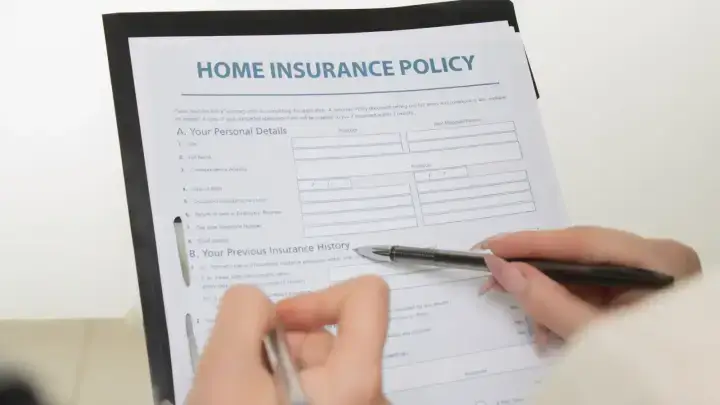
Insurance fraud is broader than a fabricated claim. It can happen when coverage is purchased, when risk information is supplied, during a claim, in billing, or through scams directed at consumers. The NAIC defines insurance fraud as deliberate deception by an insurance company, agent, adjuster or consumer to obtain illegitimate gain.
Common forms of insurance fraud
| Type | Example |
|---|---|
| Application fraud | Knowingly giving false material information to obtain cheaper or unavailable coverage |
| Claims inflation | Exaggerating the value or extent of a legitimate loss |
| Staged loss | Intentionally creating an accident, theft or damage event |
| Billing fraud | Charging for services not provided or misrepresenting treatment or repairs |
| Identity / policy scam | Using stolen personal data or selling fake insurance products |
Hard fraud vs. soft fraud
“Hard fraud” is often used to describe intentionally creating a loss, such as staging an accident or setting a fire. “Soft fraud” may involve exaggerating a real claim or misrepresenting facts on an application. Both can be illegal and can lead to denied claims, cancellation, repayment demands, fines or criminal prosecution.
Red flags do not automatically prove fraud
Insurers use analytics and investigation to identify patterns that deserve review, but a red flag is not the same as proof. A legitimate claim can contain unusual facts. Fair claims handling requires verification and evidence rather than assumptions based on one data point.
How fraud affects honest policyholders
Fraud can increase claim costs, investigation expenses and litigation. Those costs become part of the overall loss experience that influences insurance pricing. The NAIC notes that fraud has a financial impact on both consumers and businesses.
Consumer scams involving fake insurance
Fraud can also target the buyer. Warning signs can include pressure to pay immediately, payment to a personal account, suspicious documents, an unlicensed seller, a policy that cannot be verified with the insurer, or a premium dramatically below credible alternatives without an explanation.
How to verify an insurance professional or policy
- Use the state insurance department’s license lookup where available.
- Confirm the insurer and contact details independently.
- Read the declarations and policy documents rather than relying on screenshots.
- Keep copies of applications, receipts and correspondence.
- Report suspicious communications using official insurer or regulator channels.
What to do if you suspect fraud
If you are a consumer, avoid confronting a suspected fraudster or putting yourself at risk. Contact the insurer through an official number, your state insurance department or another appropriate authority. Preserve documents, messages and transaction records. If identity theft or immediate financial crime is involved, additional law-enforcement or identity-protection steps may be appropriate.
Frequently asked questions
Is exaggerating an insurance claim fraud?
Knowingly inflating a claim can constitute fraud even when the underlying loss actually occurred.
Can insurance companies commit fraud?
Fraud can involve many participants, including companies, intermediaries, service providers and consumers. Regulatory enforcement depends on the conduct and jurisdiction.
Where can fraud be reported?
Channels include the insurer’s special investigation or fraud function and state insurance regulators. Some cases may also involve law enforcement.
Sources & further reading
Reviewed against NAIC insurance-fraud resources in September 2026. Red flags are indicators for further review, not proof that a person committed fraud.