
Traditional indemnity insurance asks, “How much covered damage did the insured suffer?” Parametric insurance asks a different question: “Did the agreed event parameter reach the agreed threshold?” That difference can dramatically change the speed and purpose of the protection.
World Bank disaster-risk programs have used parametric structures because payouts can be based on the severity of a storm or other measurable hazard rather than waiting for individual losses to be assessed on the ground.
The four building blocks of a parametric policy
- Covered event: hurricane, earthquake, rainfall, drought, temperature or another measurable peril.
- Data source: the independent agency, station, satellite or model that determines the event value.
- Trigger: the threshold that activates payment.
- Payout formula: the amount paid at one or multiple trigger levels.
A simple hurricane example
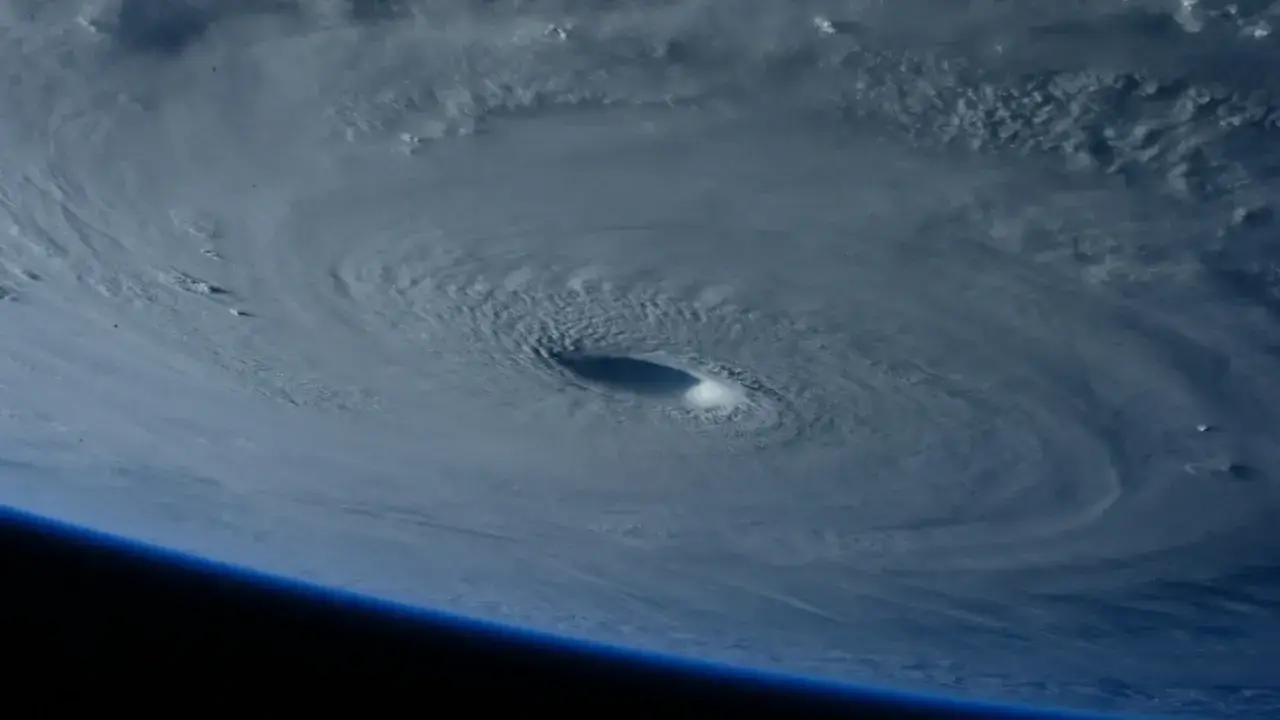
A hotel group might buy a policy that pays a fixed amount if a hurricane meeting specified wind-speed and location criteria passes within a defined area. If the trigger is met, the payout can be calculated from the contract without waiting for every roof, booking cancellation and extra expense to be adjusted individually.
Why organizations use parametric insurance
- Speed: objective triggers can enable faster payment after a qualifying event.
- Liquidity: the payout can provide cash when normal revenue is disrupted.
- Coverage of difficult-to-measure economic effects: a well-designed structure can respond to a defined event even when the exact financial impact would be complex to adjust.
- Transparency: the trigger and formula can be known before the event.
The central risk: basis risk
Basis risk is the gap between the parametric payout and the insured’s actual loss. A business might suffer severe damage but receive little or no payment if the trigger is not met. The opposite can also happen: a trigger can produce payment even when the insured’s actual loss is smaller than expected, subject to applicable insurable-interest and regulatory rules.
| Question | Traditional indemnity insurance | Parametric insurance |
|---|---|---|
| What activates payment? | Covered physical/financial loss | Predefined event trigger |
| How is payment calculated? | Loss adjustment under policy terms | Contract formula |
| Potential payout speed | Depends on claim investigation and adjustment | Can be faster once trigger data is verified |
| Main design challenge | Coverage definitions and loss measurement | Basis risk and trigger quality |
Parametric insurance is often complementary, not a replacement
A business may use traditional property insurance for repair and replacement costs while using a parametric layer for rapid liquidity, deductibles, revenue disruption or other defined financial needs. Combining the two can be more useful than forcing one structure to solve every problem.
What makes a good trigger?
A strong trigger is objective, transparent, independently verifiable and closely correlated with the insured’s loss. The data source should be resilient after a disaster, and the contract should explain what happens if data is unavailable or revised.
Who uses parametric structures?
Governments, agricultural programs, energy companies, tourism businesses, utilities, corporations and disaster-risk pools can all use index or parametric mechanisms. The design depends on the hazard and the financial need, not on a single standard policy form.
Frequently asked questions
Does parametric insurance require proof of damage?
The trigger, not a traditional item-by-item loss adjustment, determines the contractual payout. Regulatory and contract requirements still apply.
Why can parametric insurance pay faster?
Once the event measurement is verified, the payout can be calculated from the agreed formula instead of waiting for a complete physical-loss assessment.
What is the biggest drawback?
Basis risk. If the trigger is poorly matched to actual exposure, the policy may not provide enough money when the insured experiences a serious loss.
Sources & further reading
Parametric contracts are highly specialized. Trigger design, data sources and regulatory treatment should be reviewed carefully.