
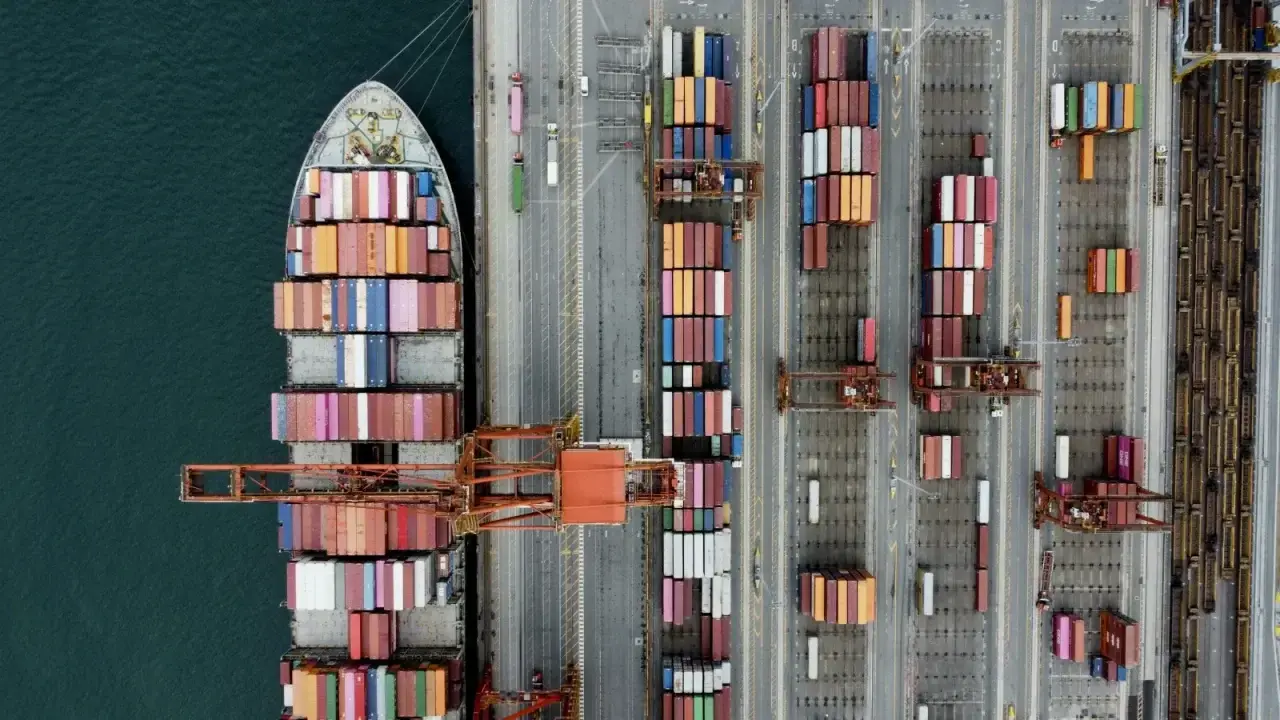
A sales contract may determine who is responsible for arranging insurance, but it does not make goods immune to loss. Containers can be damaged by water, fire, collision, theft, handling accidents or extreme weather. Geopolitical events can also affect routes, war-risk availability and price.
Triple-I describes cargo insurance as one part of the broader ocean marine market, covering product losses while goods are transported overseas or warehoused before or after overseas transport, subject to the contract.
Who should consider cargo insurance?
- Importers and exporters.
- Manufacturers sourcing components internationally.
- Wholesalers and commodity traders.
- Freight forwarders and logistics businesses with insurable interests.
- Companies whose contracts require them to insure goods while in transit.
What cargo insurance can cover
Policy wording varies, but cover can be written for physical loss or damage to insured goods during defined transit. Broader forms may cover many accidental external causes subject to exclusions; named-peril forms cover only specified causes. Warehouse-to-warehouse language, storage extensions and inland transit should be reviewed rather than assumed.
Common exclusions and limitations
Marine cargo policies often contain exclusions or special treatment for inadequate packing, inherent vice, ordinary leakage or wear, delay, insolvency-related losses, nuclear risks and war/strike risks. War and strikes can sometimes be bought back or written separately, but availability can change quickly when geopolitical conditions deteriorate.
| Question | Why it matters |
|---|---|
| Who has the insurable interest? | Responsibility can shift during the sale and transit |
| Where does cover begin and end? | Port-to-port may be narrower than the actual logistics journey |
| How are goods valued? | Invoice value, freight and expected profit can be treated differently |
| Are war/strikes included? | These perils may require separate terms and can change rapidly |
| Is storage covered? | Temporary warehousing can fall outside normal transit wording |
Incoterms do not replace the insurance policy
Incoterms can allocate transport responsibilities, costs and risk of loss between buyer and seller. Certain terms also require a party to arrange specified insurance. But the commercial term is not the insurance contract itself. A business still needs to check whether the purchased policy satisfies the contract and protects its real financial exposure.
Why declared value matters
Cargo claims depend on valuation rules in the policy. Underinsuring shipments can create a gap between the economic loss and insurance recovery. Businesses should understand whether freight, duties, expected profit or other costs are included in the insured value and whether any average or coinsurance provisions apply.
War risk and route changes
Marine markets can react quickly to armed conflict and threats around strategic waterways. In June 2026, for example, Lloyd’s announced a market consortium designed to add marine war-risk capacity for vessels and cargo transiting the Strait of Hormuz. The broader lesson for shippers is that war-risk terms, navigation areas and pricing can change during a shipment program; they should not be treated as static annual assumptions.
A cargo insurance review checklist
- List commodities, maximum shipment values and routes.
- Identify packaging methods and temperature/special handling requirements.
- Map the full journey, including inland legs and temporary storage.
- Review Incoterms and contractual insurance responsibilities.
- Check war, strikes, theft, flood and catastrophe provisions.
- Understand claims documentation and survey requirements before a loss.
Frequently asked questions
Is carrier liability the same as cargo insurance?
No. A carrier’s liability is governed by contracts and legal regimes and may be limited. Cargo insurance protects the insured interest under its own policy terms.
Does cargo insurance cover delays?
Pure delay is commonly excluded or limited unless a specialized product applies. A covered physical loss may still create related costs, but the policy wording controls.
Do I need cargo insurance if the supplier says the shipment is insured?
Confirm who is insured, the policy limits, the point at which risk transfers and whether you have direct rights under the cover. Do not rely only on a commercial invoice notation.
Sources & further reading
Marine policies are specialized contracts. Route, commodity, packing and geopolitical conditions can materially change coverage and pricing.