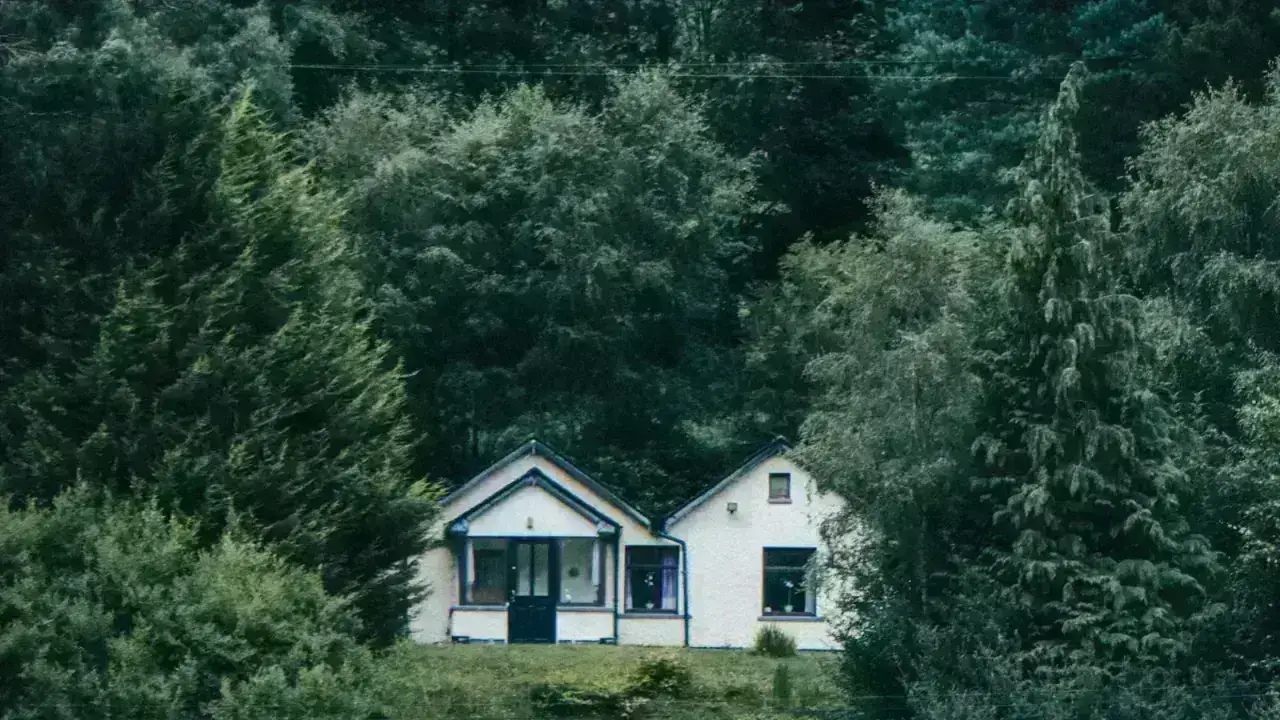
A house can become vacant for many ordinary reasons: a move happens before the old home sells, a renovation makes the property temporarily unlivable, an owner enters long-term care, an estate is being settled, or a landlord is between tenants. The insurance problem is that an empty property can present a different risk profile from an occupied home.
Water leaks may go unnoticed longer, vandalism may be discovered later, heating can fail without anyone present, and emergency maintenance may be delayed. Insurers therefore often treat vacancy as a material underwriting fact.
Vacant vs. unoccupied: why the wording matters
People often use vacant and unoccupied interchangeably, but an insurance policy may define them differently. A furnished home whose owner is away for several weeks can be treated differently from a house with no furniture and no resident. The controlling definition is the one in the policy and any applicable state law, not a generic internet definition.
| Situation | Possible insurance issue | What to verify |
|---|---|---|
| Owner travels for an extended period | Home may be unoccupied but not necessarily vacant | Policy definition and required precautions |
| Home emptied before sale | Vacancy clause may begin to apply | Number of days and affected perils |
| Major renovation | Occupancy and construction risk may change | Whether renovation/builders-risk coverage is needed |
| Estate property | Long vacancy can exceed standard policy assumptions | Named insured, occupancy status and vacant-home options |
| Rental between tenants | Landlord form may have its own vacancy language | Dwelling-policy vacancy terms and vandalism coverage |
Why do 30-day and 60-day numbers appear so often?
They appear because policy forms and state-approved contracts can impose time-based vacancy conditions, but the exact number and consequence vary. The Texas Department of Insurance, for example, warns that many homeowners policies may stop some coverage if a home is vacant for a certain period and says 60 days is typical in some situations. Texas materials also show that specific approved policy forms have used 30-day or 60-day vacancy provisions for particular losses.
That does not mean every U.S. policy automatically becomes void on day 30 or day 60. One policy may suspend vandalism coverage, another may restrict broader property coverage, and another may allow vacancy through an endorsement. State rules can also affect cancellation, nonrenewal and permitted policy language.
What losses can become harder to insure in a vacant property?
- Vandalism and malicious mischief. These are commonly associated with vacancy restrictions in homeowners forms.
- Water damage. An unattended leak can become more severe before discovery, and some policies require heat or water precautions.
- Theft. An empty property can have different theft exposure and may be subject to special terms.
- Frozen plumbing. Coverage can depend on maintaining heat or taking reasonable steps to shut off and drain water systems.
- Liability. Liability treatment can differ from property coverage; do not assume both stop or continue together.
When might specialized vacant-home insurance be needed?
If the expected vacancy extends beyond the standard policy’s tolerance, an insurer may offer a vacancy permit or endorsement, or the owner may need a policy designed for vacant dwellings. Specialized coverage can be more expensive because the insurer is intentionally accepting the higher vacancy exposure.
Coverage can be written on different peril bases. A lower-cost form may cover only specifically listed causes of loss, while a broader form may cover more risks subject to exclusions. Compare the actual contract, not just the label “vacant home insurance.”
What to ask the insurer before the house becomes vacant
- How does this policy define vacant and unoccupied?
- On what date would a vacancy restriction begin?
- Which coverages or perils change after that date?
- Are vandalism, theft, water damage and frozen pipes still covered?
- Do I need an endorsement or separate vacant-dwelling policy?
- Are inspections, alarm systems, heat settings or water shutoff required?
- Does the insurer need written notice that the occupancy changed?
Can you simply leave the existing policy unchanged?
That can create a claim problem if the policy required notice or contained a vacancy exclusion. Insurance applications and renewals are priced using occupancy information. If the risk changes materially, notifying the insurer is generally safer than hoping the issue never matters.
For a home being sold, coordinate the replacement policy before cancelling the existing one. A gap in property insurance can create problems for the owner and, where a mortgage exists, for the lender.
Frequently asked questions
Does homeowners insurance automatically end after 60 days of vacancy?
No. Sixty days appears in many policy and regulator examples, but the effect is policy- and state-specific. Some contracts restrict particular perils rather than terminating every coverage.
Is an empty house the same as a vacant house?
Not necessarily. Policies can distinguish between temporary non-occupancy and vacancy. Read the definitions in the actual contract.
Will vacant-home insurance cost more?
It often can because an unattended property may have higher claim frequency or severity, but pricing depends on the property, location, insurer and coverage selected.
Should I tell my insurer if the house is for sale and empty?
Yes. Ask how the policy treats the changed occupancy and get the insurer’s answer in writing if possible.
Sources & further reading
Reviewed October 3, 2026. Vacancy definitions, time periods and coverage consequences vary by policy form, insurer and state; this guide is educational and does not replace the actual insurance contract.