
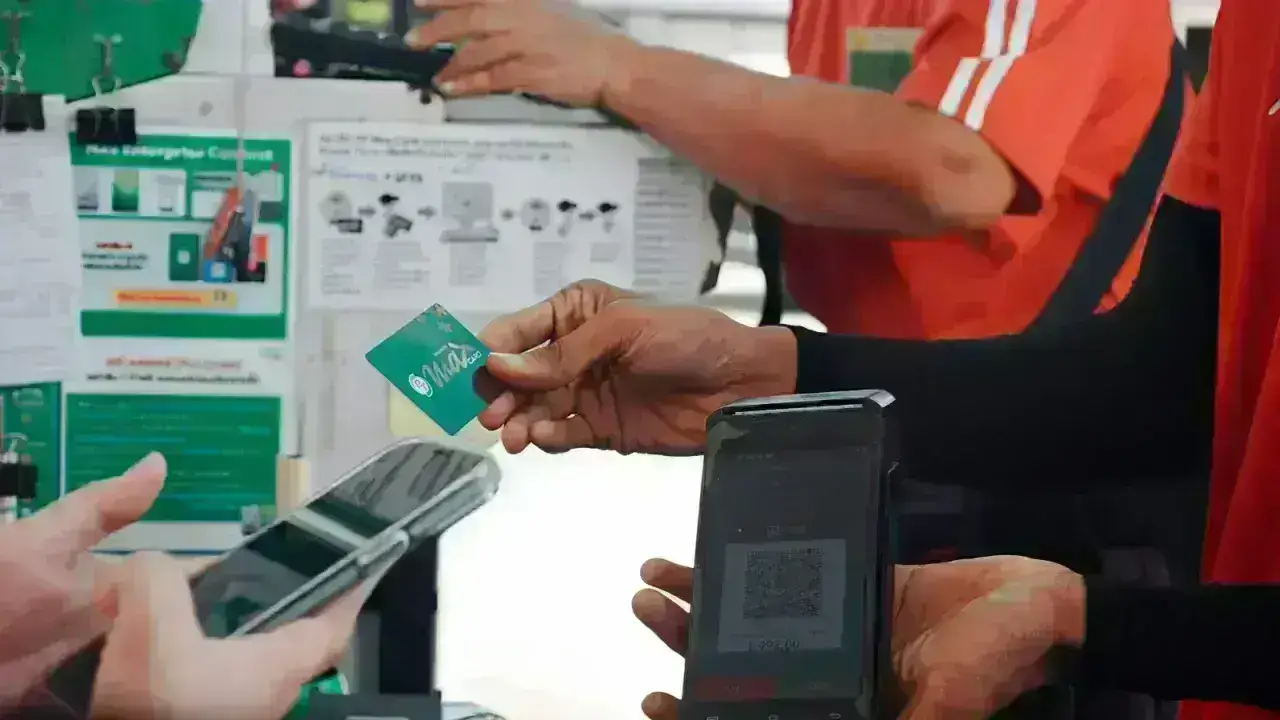
Insurance distribution used to be a separate journey: identify a risk, find an agent or insurer, complete an application and buy a policy. Embedded insurance compresses that journey by presenting coverage at a point where the underlying risk is already visible.
What makes insurance “embedded”?
The defining feature is context. The insurance is integrated into a non-insurance customer journey rather than sold through a standalone insurance storefront. Technology can connect the merchant or platform to an insurer through APIs, allowing quoting, payment, policy issuance and servicing to happen with minimal friction.
Common embedded-insurance examples
- Travel insurance offered during airline or hotel checkout.
- Device protection attached to a phone or electronics purchase.
- Rental-car or mobility coverage inside an app.
- Shipment protection during e-commerce checkout.
- Small-business coverage integrated into a software or payments platform.
Why insurers and platforms like the model
The customer arrives with useful context: what is being purchased, when, at what value and sometimes how it will be used. That can reduce application friction and help match a simple protection product to a specific event. The distribution partner can also reach customers who might never start a separate insurance search.
Where consumer risk enters the picture
Convenience can become a weakness if the buyer does not realize insurance has been added, cannot understand the coverage in a short checkout flow or is offered poor value. EIOPA’s consumer work has repeatedly highlighted concerns around ancillary and cross-sold insurance, including commission levels and value for money.
European Insurance Distribution Directive rules on cross-selling require information about whether components can be bought separately in relevant circumstances and require distributors to identify customer demands and needs for insurance products in a package.
| Potential benefit | Potential risk |
|---|---|
| Coverage offered at a relevant moment | Customer may buy too quickly to understand exclusions |
| Fewer application steps | Important disclosures can be compressed |
| Data can improve contextual pricing | Privacy and data-use questions become important |
| Broader distribution reach | Duplicate or unnecessary cover may be sold |
| Low-friction claims can improve experience | Responsibility between platform and insurer may be unclear |
What good embedded insurance looks like
- The customer can clearly see that the product is insurance.
- The price is disclosed separately and before purchase.
- Core cover, major exclusions and cancellation rights are easy to find.
- The customer can identify the insurer and know how to claim.
- The product solves a genuine risk created by the underlying purchase.
- Opt-in design avoids accidental enrollment.
Embedded insurance and APIs
APIs are an enabling technology, not the business model itself. A platform can use an API to request a quote, bind coverage or retrieve policy documents, but governance still matters. Insurers remain responsible for product design and regulatory obligations within the applicable legal framework, while distribution partners may have their own duties.
Will embedded insurance replace brokers and agents?
It is more likely to reshape which risks are sold through which channels. Simple, event-linked products fit naturally into digital journeys. Complex commercial risks, life planning and bespoke programs still benefit from advice, negotiation and coverage design. The future is likely to be multi-channel rather than winner-takes-all.
Frequently asked questions
Is embedded insurance the same as a bundle?
They overlap, but not every bundle is deeply embedded. Embedded insurance usually implies that quoting and purchasing are integrated into the digital journey of another product or service.
Can embedded insurance be mandatory?
Rules vary by jurisdiction and product. In the EU, cross-selling requirements can require the underlying good or service to be available separately in specified circumstances.
What should a buyer check?
Confirm who the insurer is, the price, key exclusions, limits, cancellation rights, claims process and whether you already have equivalent coverage elsewhere.
Sources & further reading
Distribution and conduct rules differ across markets. This article explains the model rather than providing legal advice.