
The fourth gathering of the TSB Insurance Meetings at Universities was hosted by Samsun University, where students had the opportunity to hear directly from leading figures in the insurance industry. The programme focused on how the sector is evolving through digital transformation, while also opening discussions on career paths, professional development and the future direction of the industry.
Among the participants were Turkish Insurance Association President Ahmet Yaşar, Emaa Insurance General Manager Prof. Dr Aykut Ekinci, Turkish Insurance Association Deputy Secretary-General Atilla Oksay and AXA Turkey Black Sea Regional Coordinator Hakan Devecioğlu. During the sessions, industry representatives shared insights with students on the ongoing transformation of insurance and the expanding opportunities available to young professionals.
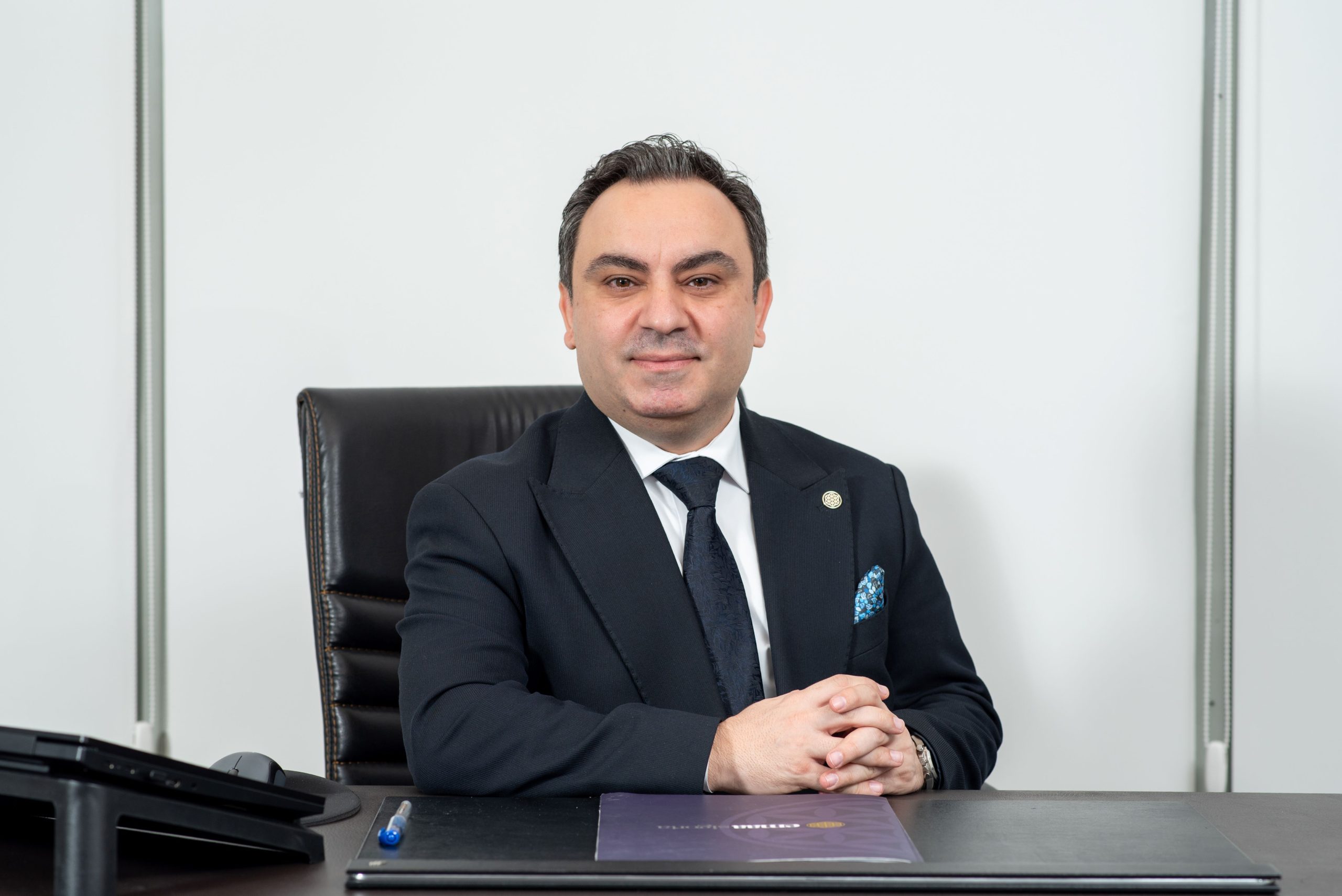
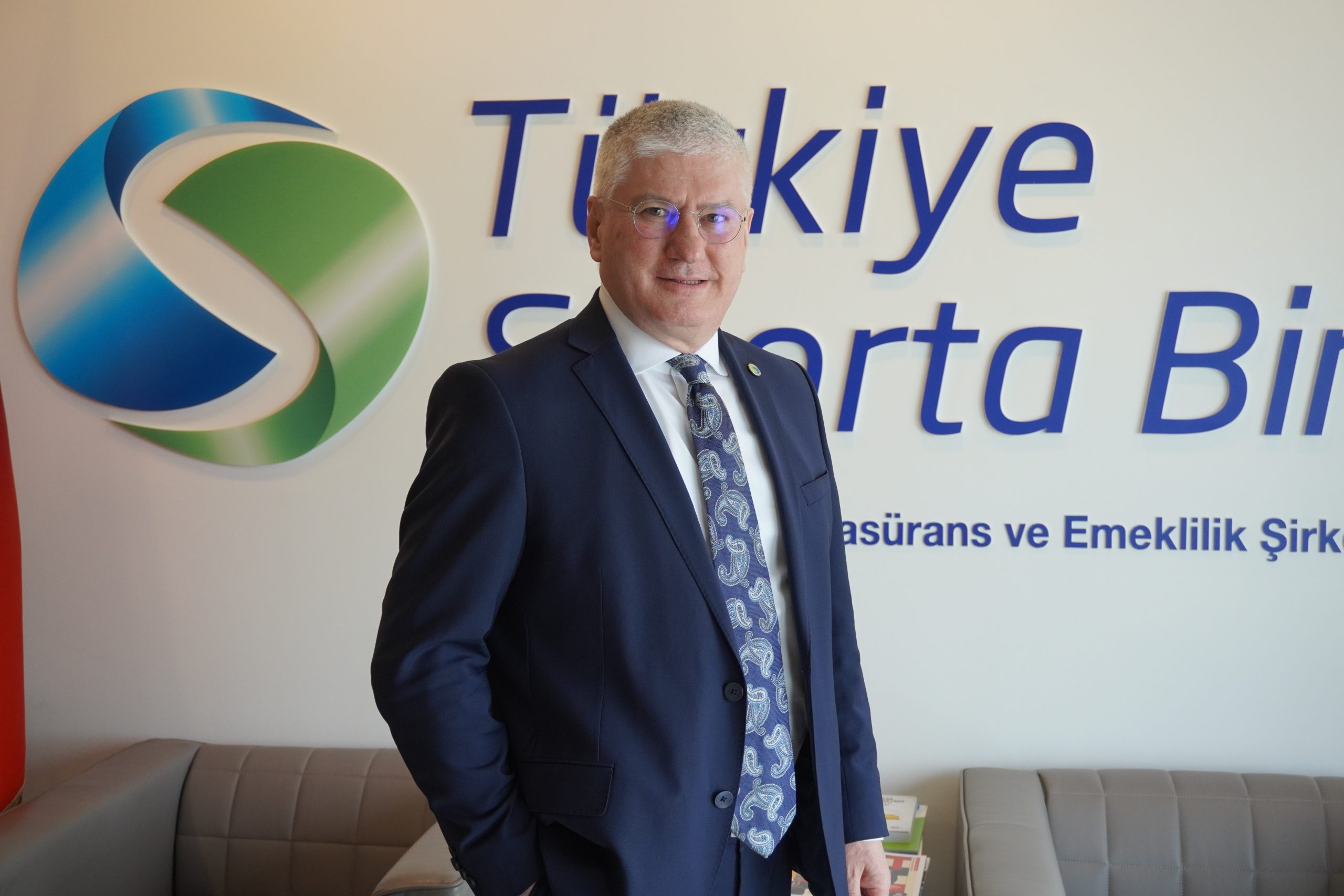
For Prof. Dr Aykut Ekinci, the visit carried a personal meaning. He reminded students that he had previously served as the founding chair of the Department of Economics and Finance at Samsun University, making the meeting especially memorable. In his remarks, he drew attention to the broad range of career possibilities in insurance and encouraged students to view the sector as one filled with dynamic and developing roles.
Ekinci stressed that communication skills will become even more valuable in the years ahead. He explained that as artificial intelligence becomes increasingly common in business life, human interaction will remain essential for improving efficiency and managing problem-solving processes. According to him, technical knowledge alone will not be enough; the ability to communicate effectively will stand out as a major professional advantage.
He also advised students to strengthen themselves not only in their main fields of study but also in complementary disciplines such as statistics. In his view, artificial intelligence should not be seen solely as a tool that accelerates workflows. Rather, it represents a transformative force that can generate new opportunities and entirely new areas of work when used wisely and strategically.